
Why AI Is the Breakthrough Veterinary Care Was Waiting For
Something important is shifting in the world of animal health thanks to the AI breakthrough in veterinary care. You can feel it if you pay close attention.
Animals rely on fast, accurate veterinary care, but traditional tools can slow decisions.
AVMA Journals says, AI has vast potential in veterinary medicine, with applications ranging from diagnostics to almost every area of practice.
This is where the AI breakthrough in veterinary care quietly enters the picture.
Not as a replacement, but as an amplifier of skill. You are about to see why this shift matters.
Think again.
The future of animal healing is being rebuilt with calm precision, reliable data, and a level of predictive insight that feels almost unreal.
Here is what it means.
The Gap Between Technology and Real-World Outcomes
Even with advanced tools, vets face overwhelming data and complex cases. AI helps spot hidden patterns. This improves detection and speeds up critical decisions.
Fear That Arrives Too Late
Ask most pet owners what they fear most and many will say the same thing.
Losing their animal because the problem was detected too late.
That fear drives emotions, choices and even medical decisions.
Yet here is the contradiction.
Veterinary medicine has never been more advanced. Tools are sharper, diagnostics are quicker and training is better.
Still, animals continue to suffer from delays and misdiagnoses.
Strange, right?
The gap between available technology and real-world outcomes remains stubborn.
The Issue Beneath the Surface
This contradiction reveals something deeper.
The issue is not capability.
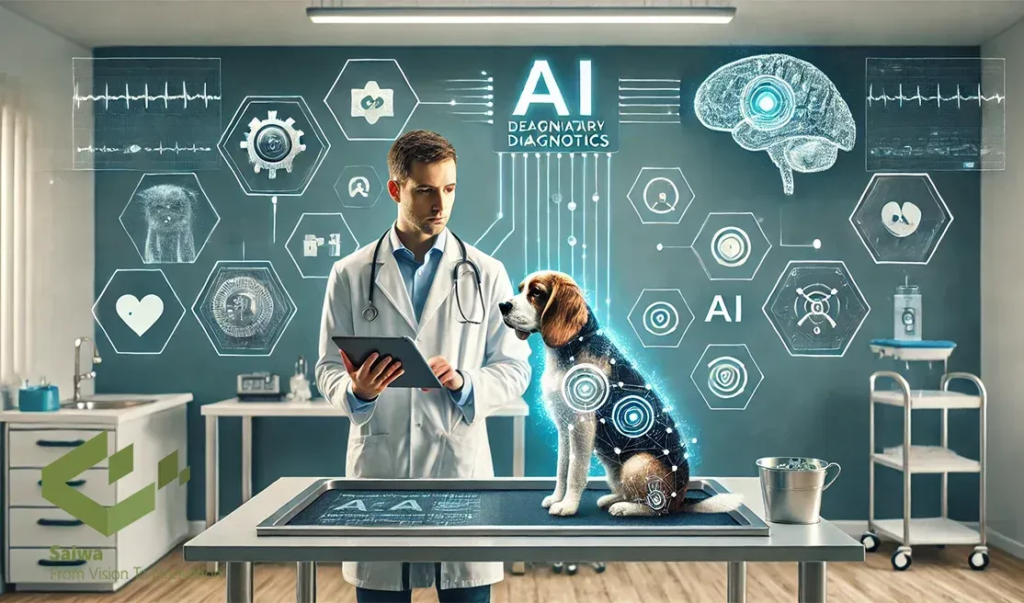
Source: SaiwaAI
The issue is scale. Most clinics battle limited time, scattered data and overwhelming caseloads.
Even the best vets cannot analyze thousands of variables at once.
This is where the AI breakthrough in veterinary care becomes important, because AI sees what the human eye often misses.
Patterns. Micro signals. Hidden risks.
It notices shifts in behaviour, organ stress, pre-disease markers and environmental triggers long before symptoms escalate.
When Complexity Exceeds Human Limits
The contradiction becomes obvious once you examine it closely.
Veterinary care is stronger than ever, yet animals still slip through cracks simply because humans cannot process the full complexity of biological data fast enough.
AI can.
Suddenly the contradiction is resolved.
The future becomes clearer. Wait.
The field is already transforming, and many people have not realized it yet.
Animals Communicate Through Patterns, Not Words
The Real Hidden Cost That No One Notices
Source: Techcgopse
Most people believe the biggest problem in veterinary medicine is cost.
Or late visits.
Or the lack of specialized clinics in rural areas. All valid concerns.
But look deeper.
The real hidden cost is the information delay between early disease onset and the moment a human notice something is wrong.
That delay steals time.
It also steals survival probability.
Subtle signs like appetite shifts, micro-inflammation, altered gait and mild lethargy often go unnoticed.
How AI Reads What Humans Miss
Here is the missed insight.
Animals communicate through patterns, not words.
AI reads animal language through those patterns with incredible clarity.
AI can watch how animals move and check their organs with scans. It can also analyze blood tests to spot early signs of disease.
This is why the AI breakthrough in veterinary care is becoming a strategic advantage for clinics, farms and wildlife centres.
It lowers the cost of delay.
The Silent Progression That AI Can Catch Early
Think about a dog developing kidney trouble.
The early stage is silent. No visible pain.
No obvious distress.
Yet biochemical change has already begun. Traditional methods detect this only after the condition progresses.
AI models, however, can recognize deviations in hydration, behaviour, and micro-patterns in bloodwork weeks earlier.
That kind of early detection reduces suffering and cost. It also builds trust between vets and clients.
Miss this insight and you miss the biggest leap in modern veterinary science.
Section Summary
- The real hidden cost in veterinary care is the delay between early disease onset and detection.
- Subtle changes in behaviour, appetite, or minor health markers often go unnoticed by humans.
- Animals communicate through patterns, not words, which AI can interpret accurately.
- AI monitors movement, scans organs, and analyses blood tests to detect early disease signs.
- Early detection with AI reduces suffering, lowers costs, and improves treatment outcomes.
- Leveraging AI builds trust between vets and clients and represents a major leap in veterinary science.
The Day AI Became a Vet’s Second Set of Eyes
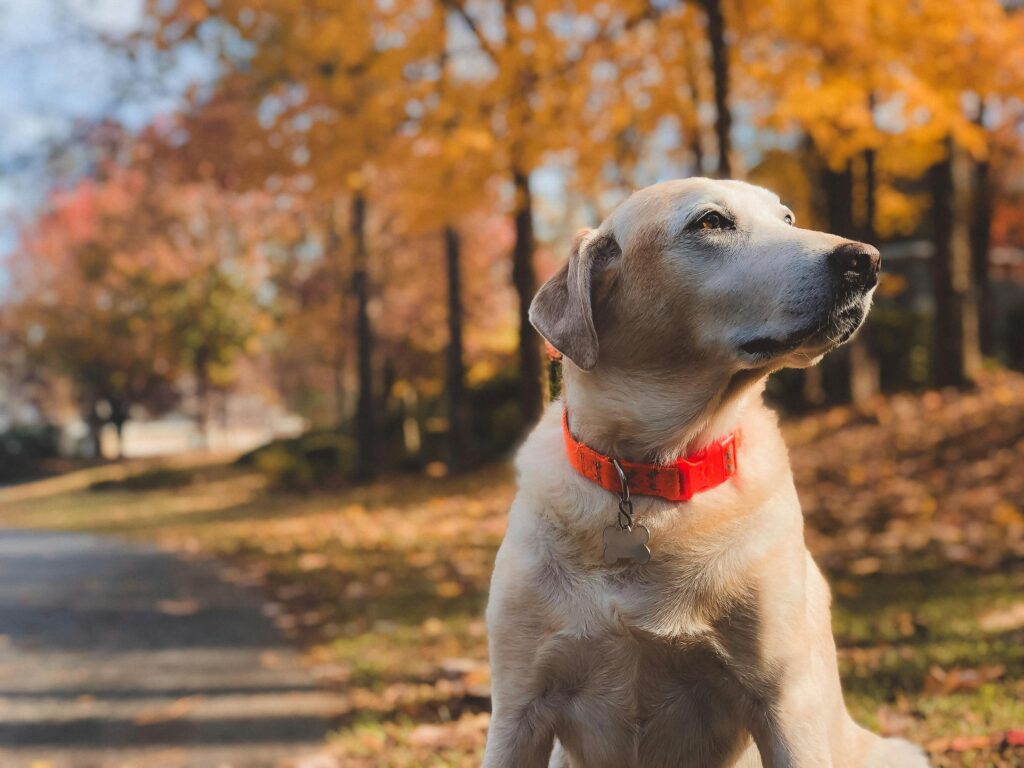
Last winter, a family brought in a seven-year-old Labrador named Bruno.
He was eating slightly less and moving slightly slower. Nothing dramatic. Nothing alarming. Just small changes. His family thought it was normal ageing.
The vet ran routine checks. Everything looked fine.
For safety, the clinic used an AI-powered gait analysis tool recently introduced as part of their workflow.
The software compared Bruno’s walk to thousands of similar cases. Within seconds it flagged a pattern linked to early muscular degeneration.
The vet paused. Surprised. The numbers did not match the visible signs. Bruno still looked strong.
But the AI model suggested deeper investigation.
Further imaging revealed small but definite muscle fiber deterioration. Early stage. Treatable.
The family was stunned. A problem they could not see was unfolding quietly, and without AI, it would have worsened for months.
This moment became a turning point for the clinic. It reminded everyone that technology is not cold. In fact, it is not even distant.
It is a tool that expands human care. It is a second set of eyes that never gets tired. Bruno improved after therapy and targeted exercise.
His recovery became a symbol of what the AI breakthrough in veterinary care truly means. Insight. Speed. Relief.
A chance to protect what people love before danger grows.
When The Hidden Variable Is Complexity
Veterinary systems fail due to human limits in processing complex data. Errors arise from scattered records and subtle symptoms. AI helps organize information, highlight risks, and support faster, accurate decisions.
Why Good Protocols Still Fail
So why do veterinary systems fail even when protocols appear correct?
Cause and effect. Look closely at the mechanics.
First, diagnosis depends heavily on observation. Humans observe. Humans interpret.
Fatigue, cognitive bias and time pressure alter interpretation.
Second, many conditions mimic each other.
A slight cough can signal allergy or heart issues.
A limp can indicate a simple sprain or early neurological tension.
Without deeper pattern analysis, errors occur even in good clinics.
Third, data remains scattered across old files, fragmented lab reports and separate imaging systems. Vets must piece everything together manually.
When Failure Becomes Predictable
Here is where failure becomes predictable. When the information load becomes heavier than the human processing limit.
This is why the AI breakthrough in veterinary care offers stability.
AI binds imaging, lab results, behavioral tracking and historic records into a unified decision model.
The system then surfaces what matters most.
There is clear contrast, clear priority and clear red flags.
Think again.
The mechanics of failure become solvable once you remove the human burden of pattern-heavy analysis.
The Role of Complexity in Wrong Outcomes
When things look right but still go wrong, the hidden variable is complexity. AI does not remove complexity. It organizes it.
Section Summary
- Veterinary errors often stem from human limits in processing complex data and subtle signs.
- Diagnosis relies on observation, which is affected by fatigue, bias, and time pressure.
- Many conditions mimic each other, making accurate detection challenging even in good clinics.
- Scattered records and fragmented reports increase the chance of oversight and mistakes.
- AI organizes imaging, lab results, and behavioral data into unified models for faster, accurate decisions.
- Complexity remains, but AI highlights priorities, red flags, and patterns humans might miss.
Each Step Helps AI Understand Normal Patterns
AI-Enhanced Veterinary Habits That Matter
Four to Six Practical Steps or Habits
Here are practical steps to use AI-supported care in a meaningful and simple way.
AI Behaviour Tracking for Early Detection
Track daily animal behaviour.
Use basic apps that log eating, sleeping, walking and drinking patterns. The AI learns normal baselines.
AI Pre-Screening Tools for Hidden Conditions
Adopt pre-screening tools.
Many clinics now use AI models for early dental issues, organ stress and gait problems. Ask for them.
Digital AI-Ready Medical Records
Use clear digital medical records.
Store every report in one system. AI performs better when long-term data is accessible.
AI-Boosted Symptom Awareness
Learn simple symptom patterns.
Short lists of early-warning signs help you recognise issues. AI amplifies your awareness, it does not replace it.
AI-Supported Proactive Veterinary Checkups
Schedule proactive checkups.
Combine routine vet visits with AI-enabled early detection. This reduces disease escalation.
Wearable AI Monitoring for High-Risk Animals
Use wearable tracking for vulnerable animals.
Senior pets, working dogs, livestock and recovering animals benefit from AI monitoring. It provides peace of mind.
The Benefit of Consistent AI Data Patterns
Each step builds consistency. Each step helps AI understand normal patterns so it can highlight abnormal ones with precision.
Small Behaviours Create Massive Protection
The Core Promise of AI-Driven Veterinary Care
Here is the promise.
If you integrate even a few AI-supported habits into your approach to animal care, you will reduce emergency situations significantly.
Not because AI replaces expertise, but because AI amplifies it.
This is the real strength behind the AI breakthrough in veterinary care.
It increases the timeline available for a vet to intervene before a crisis hits.
Imagine identifying injury before pain develops. Imagine detecting organ stress weeks before visible symptoms.
That is the promise.
Small behaviors create massive protection.
The Real-World Impact of Preventive AI Systems
You gain clarity. Your vet gains speed. Your animal gains comfort. Simple changes can lead to measurable improvement.
This is not speculation.
It is already happening in clinics across the world. When you take the next step, you unlock a level of preventive care that feels almost futuristic.
The Landscape Is Changing
AI will enhance diagnostics, track animal health in real time, and predict risks early. Vets will make faster, more informed decisions. Animals will stay healthier and live longer as care becomes preventive.
AI-Enhanced Diagnostics and Real-Time Veterinary Insights
AI will not stay in its current form. It will evolve into multi-layered diagnostic companions that support every stage of veterinary care.
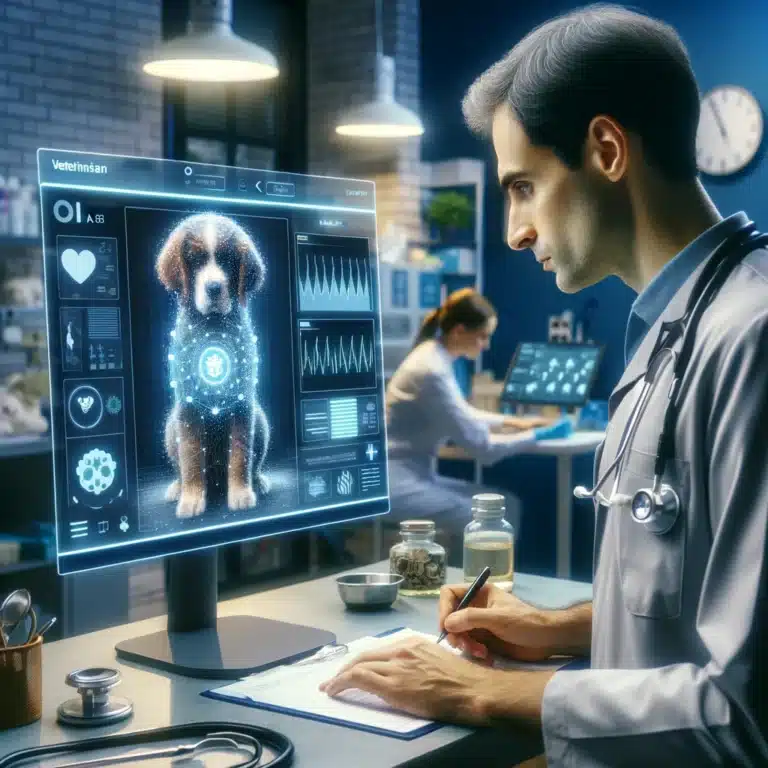
Source: Veterinary Innovation Council
Imaging will become sharper.
Pattern recognition will be near real time.
Wearables for pets and livestock will provide continuous health feeds to central AI hubs.
Farms will predict disease outbreaks days before symptoms appear.
Zoos will detect emotional stress in animals through micro-behaviour models.
Clinics will use AI to personalize treatment plans. The momentum is building.
The Next Era of Predictive AI in Animal Health
Here is what comes next.
AI systems will merge environmental data, genetic markers, historical patterns and nutritional factors into unified wellness forecasts.
This shift will push the AI breakthrough in veterinary care into a new era of preventive precision.
The role of the vet becomes more strategic, more informed and more confident. You will see fewer emergencies and more planned interventions.
You will see healthier animals with longer life spans. The landscape is changing. Slowly at first.
Then rapidly. Wait. The acceleration has already begun
FAQs
How can AI be used in veterinary medicine?
AI can monitor animal health, analyse medical images, track behaviour, and detect early signs of disease, helping vets make faster, more accurate decisions.
Will AI take over veterinarians?
No, AI is designed to assist, not replace, veterinarians. It amplifies their expertise by providing insights, early detection, and decision support.
How is artificial intelligence used in animal health?
AI evaluates diagnostic images, predicts disease risk, analyses lab results, and tracks patterns in behaviour and physiology to improve preventive care.
What is the best AI for the veterinary field?
Top AI solutions include diagnostic imaging tools, predictive analytics platforms, and behaviour-monitoring systems that integrate with clinic workflows to enhance care.
How does AI improve veterinary diagnostics?
AI helps identify subtle signs of disease in scans, lab results, and gait analysis, enabling earlier and more precise interventions.
What are veterinary AI tools?
These include software for imaging analysis, wearable health monitors, predictive algorithms for lab data, and management platforms that optimise patient care.
Are there AI courses for veterinary medicine?
Yes, there are specialized courses that teach vets and students how to use AI in diagnostics, preventive care, and clinical decision-making.
Related Posts
Revolutionizing Healthcare with Digital Twin Technology
Unbelievable AI Advances in Healthcare – What’s Hidden?
14 Best AI Tools for Startups That Could Make or Break You
Critical Data Labelling Tools Every AI Project Needs
21 AI Tools for Doctors You’ll Regret Ignoring in 2025
Conclusion
The AI breakthrough in veterinary care is not a future concept.
It is happening now in clinics, farms and homes.
You have seen how it resolves contradictions, reduces hidden costs, prevents failure and delivers early insights that transform outcomes.
When you integrate small habits, you unlock a new level of clarity and protection for the animals you love.
The direction is clear. Precision will replace guesswork. Let this idea guide you toward better, calmer and more informed decisions for every animal in your care.