
48 FAQs on AI in Veterinary Field That Expose Hidden Practice Gaps
AI in veterinary field is rapidly changing how clinicians diagnose, predict, and manage animal health. Many vets sense this shift but few realise how deep the transformation goes.
According to National Library of Medicine, AI is reshaping veterinary care and medical research by improving diagnosis, treatment, and disease detection with faster, smarter insights.
That is why these crucial FAQs on AI in veterinary field are no longer optional reading.
They reveal blind spots, accuracy gaps, and workflow risks that traditional practice methods often hide.
These FAQs also highlight how machine learning tools detect patterns earlier than human observation, which can reshape treatment timelines.
The question is simple. Are you adapting fast enough?
The answers inside will help you see what you might be missing.
Clinical and Diagnostic AI
AI in clinical and diagnostic fields is reshaping how animals receive care.
When you use advanced systems to interpret data, you gain earlier cues, sharper pattern recognition, and fewer diagnostic blind spots.
This is where precision begins to rise.
The power of AI in veterinary field comes from its ability to review thousands of cases quickly and offer insights that would take humans much longer.
Faster answers. More confidence. Better outcomes for the animals you treat.
1. How accurate are AI diagnostic tools in veterinary medicine compared to human clinicians?
You might wonder how well these systems perform against trained clinicians. Accuracy varies by dataset quality, species, and condition type, although many tools already match or exceed human performance in imaging tasks. Studies report up to 92 percent accuracy in identifying common pathologies on radiographs when trained on large sample sets. These systems are not meant to replace your judgment. Instead, they act as a second set of expert eyes that help you catch what busy days often hide.
2. Can AI detect illnesses earlier than traditional veterinary tests?
Early diagnostics is one of the strongest advantages of AI in veterinary field. Algorithms can notice subtle biomarker shifts, behavioral deviations, or image irregularities long before symptoms appear. You know how tricky early-stage kidney or cardiac issues can be. Patterns may be faint. AI highlights them. This shifts your clinical timeline forward, giving you more room to intervene. Earlier action, better outcomes. Simple equation, powerful impact.
3. How does AI support real time monitoring of animal vitals?
Real time monitoring creates a continuous loop of data. AI turns that stream into insight. It learns what normal looks like for each patient and flags variations that matter. For example, sudden drops in temperature or micro-changes in heart rate variability can hint at distress. You get alerts before the situation escalates. This helps you stabilise critical patients and manage chronic ones with more confidence. A small shift in data. A big difference in response.
4. What role does AI play in interpreting radiographs and ultrasound images?
Image interpretation is where AI shines. You know how imaging can be time consuming, especially in complex cases. AI tools detect fractures, masses, density variations, and organ anomalies at pixel-level precision. Some systems also compare current scans with thousands of historical patterns. This reduces inconsistencies between clinicians and helps you maintain uniform diagnostic quality. It is not magic. It is meticulous pattern analysis, delivered faster than traditional review allows.
5. Can AI help identify rare or difficult to diagnose conditions in animals?
Rare cases are challenging because you do not see them often. AI helps by cross-referencing unusual patterns with global datasets. When your experience meets a machine’s pattern memory, the outcome improves. Tools trained on diverse species and conditions can spot outlier signatures in bloodwork, imaging, or behaviour. This widens your diagnostic lens. You get clues sooner, even when symptoms do not fit the usual map. This is where AI in veterinary field becomes a force multiplier.
6. How does AI assist in triaging emergency cases in clinics?
Emergency veterinary triage depends on speed and clarity. AI evaluates vitals, clinical notes, and presenting signs in real time and sorts patients by severity. This reduces human error during stressful moments. You receive prioritisation cues that guide you toward the most urgent cases first. In high volume settings, this prevents delays that could cost lives. The system does not replace your clinical instinct. It sharpens it by removing guesswork when emotions run high.
Predictive and Preventive Care
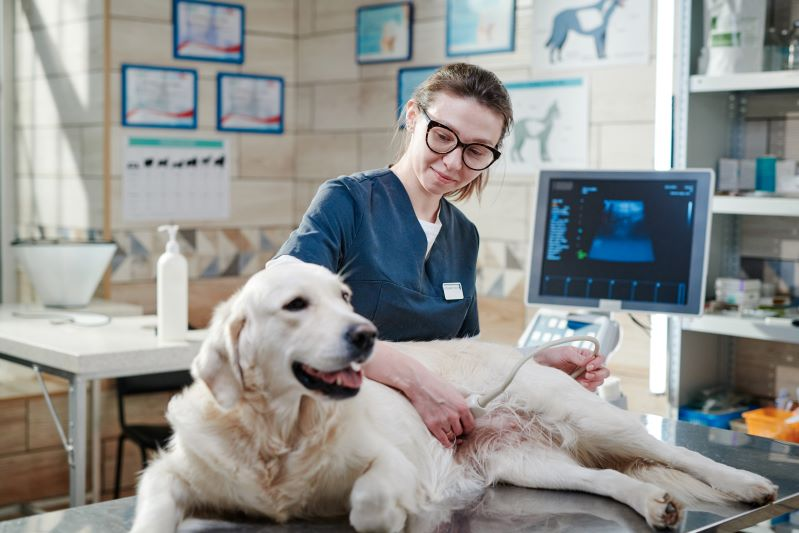
Source: PDInsurance.co.nz
AI in predictive and preventive animal care is helping you stay ahead of illness instead of reacting to it.
When systems study patterns across behavior, vitals, movement, and history, they reveal risk long before symptoms appear.
This is where real preventive strength begins.
The value of AI in veterinary field lies in its ability to notice tiny shifts that humans might miss.
You get earlier alerts, clearer trends, and fewer surprises.
A calmer, more confident way to manage animal health.
7. How does AI predict disease outbreaks in livestock or pets?
What if you could see a health threat before it spreads? AI models analyse temperature trends, movement data, feeding irregularities, and local environmental changes. You get early signals of emerging issues, often several days ahead of traditional observation. This helps you act while the problem is still small. It is pattern recognition at scale. It is also a way to reduce losses in livestock and prevent silent spread in multi-pet settings. A small insight. A big prevention window.
8. Can AI recommend preventive care plans based on an animal’s history?
Yes, because history holds patterns. Algorithms study age, breed risks, previous illnesses, nutrition logs, and lifestyle data. From this, the system builds a personalised preventive plan. You get reminders for screenings, early lifestyle adjustments, and alerts tied to hidden vulnerabilities. The advantage grows over time because the model learns from every new input. In many clinics, this has raised adherence to preventive routines significantly. This is where AI in veterinary field becomes a practical care partner.
9. How does AI help detect early behavioural or mobility changes in pets?
Early behaviour shifts are easy to miss. Tiny limps. Quiet mood dips. Micro changes in gait. AI tools analyse motion patterns, activity levels, sleep cycles, and vocal cues. You receive alerts when something deviates from baseline, long before pain or discomfort becomes obvious. This helps you intervene early and avoid escalation. It feels simple, yet it is backed by complex modelling under the hood. This is everyday care, made much more attentive through objective tracking.
10. Can AI support precision livestock farming through predictive analytics?
Precision farming depends on timing. AI reviews feed intake, weight trends, climate conditions, and group behaviour to predict productivity shifts and possible disease risks. This gives you actionable insights rather than vague observations. You can adjust feeding, modify housing, or flag animals needing closer monitoring. The result is fewer losses and healthier herds. The bigger benefit is consistency. AI in veterinary field enables livestock management that is not reactive, but steady and controlled through data grounded foresight.
Surgical and Treatment Support
AI in surgical and treatment support in animal care is helping you reduce risk while improving precision.
When systems assist with imaging, vital tracking, and real time interpretation, procedures become calmer, safer, and more predictable.
This is where technology steadies your hands.
The real strength of AI in veterinary field lies in its ability to guide, alert, and analyse without distraction.
You get clearer visuals, better planning, and smoother postoperative decisions.
A more controlled way to save lives.
11. How is AI used during surgeries or complex medical procedures?
Is surgery becoming smarter? Yes, because AI now assists with intraoperative imaging, motion tracking, and anatomical mapping. You get visual overlays that highlight vessels, tissue layers, and risk points. This reduces uncertainty during delicate actions. Some systems also monitor vitals in real time and flag subtle shifts that might impact anaesthesia or recovery. It feels like an extra expert in the room. Quiet, steady, precise. This is where AI in veterinary field transforms surgical confidence.
12. Can AI personalise treatment plans for individual animals?
Personalisation begins with data. AI reviews breed traits, past illnesses, genetics, response history, and lifestyle patterns. You receive a treatment plan shaped around what the animal uniquely needs instead of a generic template. It adapts as new data arrives. It adjusts dosages, follow up timelines, and risk predictions based on individual variability. In many clinics, this has reduced trial and error significantly. The benefit is simple. The plan fits the patient, not the other way around.
13. How does AI help veterinarians select the right medication or dosage?
Medication decisions can be tricky, especially for animals with unusual sensitivities. AI analyses weight trends, organ function, drug interaction risks, and past response patterns. You get dosage suggestions grounded in modelling instead of guesswork. This reduces adverse reactions and increases precision in high risk cases. Over time, the tool learns from your patient base and becomes even more accurate. This is where AI in veterinary field supports you with evidence based clarity. A small assist with big impact.
Veterinary Workflow and Productivity
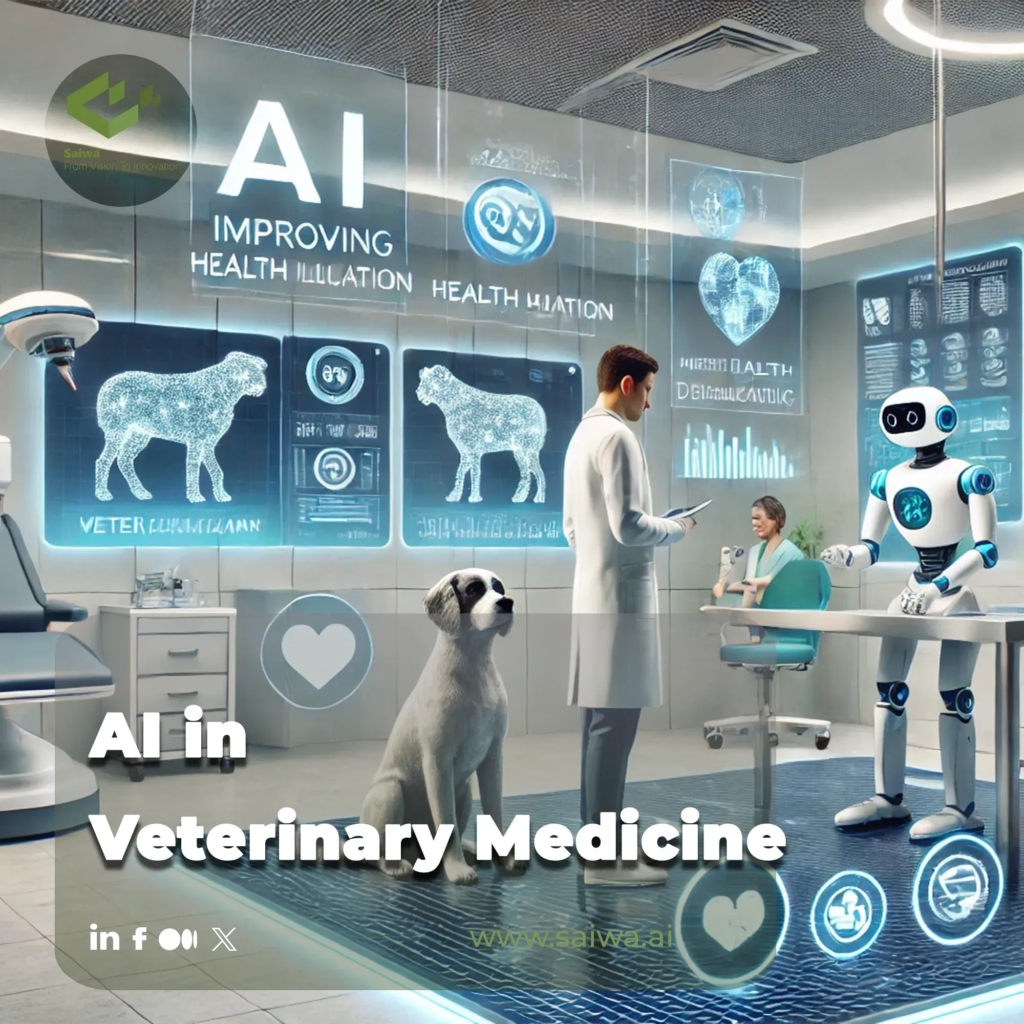
Source: Sawai.ai
AI in Veterinary Workflow and Productivity helps you reduce friction across the entire treatment pipeline.
When routine tasks, scheduling, triage, and documentation become faster, you gain more room for careful clinical thinking.
This is where clarity replaces chaos.
The real value of AI in veterinary field is its ability to streamline processes that often steal your time.
You diagnose earlier, treat with fewer delays, and coordinate teams with smoother handovers. Better focus.
Better outcomes. A calmer clinical day.
14. How is AI used during surgeries or complex medical procedures?
Have you ever wished for an extra pair of reliable eyes in the theatre? AI supports surgeons by tracking vitals, highlighting anomalies, and predicting risk in real time. Some systems guide incision angles or identify tissue boundaries with impressive precision. This reduces uncertainty during complex procedures. It also lowers fatigue because you can rely on consistent alerts. In advanced setups, AI reviews the surgical field frame by frame. A quiet assistant, but one that never loses focus.
15. Can AI personalise treatment plans for individual animals?
Personalisation begins with understanding patterns. AI studies species traits, age, weight, blood markers, comorbidities, and previous responses to treatment. You receive a customised plan built on data instead of assumption. The benefit grows as the system learns from each new visit. This is where AI in veterinary field becomes especially valuable. It suggests adjustments, flags potential complications, and ensures every decision fits the animal, not the average case. Smarter guidance. Fewer blind spots.
16. How does AI help veterinarians select the right medication or dosage?
Medication decisions rely on precision. AI analyses weight, organ function, breed sensitivities, and past responses to drugs. You get recommendations grounded in evidence and adjusted to individual tolerance. Some platforms compare global prescribing patterns to reduce error rates. This reduces overdosing risk and prevents under-treatment. The system also flags interactions between drugs that busy clinics often miss. When accuracy matters, and it always does, AI in veterinary field helps you move with more confidence.
Animal Health Monitoring and Wearables
Animal wearables are small devices, like collars or sensors, that track a pet’s health, activity, and vital signs, helping vets spot problems early.
They make it easy to monitor your animal without frequent visits.
This also gives you a window into health patterns that were invisible before.
Continuous data replaces guesswork and helps you respond earlier.
This is where silent signals become visible.
The strength of AI in veterinary field lies in its ability to pick up tiny shifts in activity, appetite, or movement long before symptoms surface.
You get clearer trends, better timing, and a stronger sense of control. Real oversight. Real prevention.
17. How do AI enabled wearables track pet health continuously?
How much can a collar really see? Quite a lot. AI enabled wearables capture movement, heart rate, sleep patterns, vocal cues, and even subtle posture changes. You receive continuous updates instead of occasional snapshots. The system compares current data with baseline behaviour and sends alerts when something looks off. It feels simple, but the modelling behind it is surprisingly advanced. Over time, these patterns help you act early and avoid unnecessary stress for both you and the animal.
18. What metrics can AI sensors monitor in cattle, poultry, or other livestock?
Livestock monitoring thrives on consistency. AI sensors track temperature, rumination, feed intake, gait patterns, respiratory rate, and group behaviour. You also get environmental data, which adds context to health shifts. The system processes all of this in real time and highlights risk patterns that manual checks often miss. This is where AI in veterinary field shows its practical strength. You work with clearer information and reduced uncertainty. Early corrections save both money and animal wellbeing.
19. Can AI predict lameness or injury in horses or farm animals?
Lameness usually begins with tiny gait changes. AI systems capture stride length, weight distribution, and micro variations in movement that the human eye often overlooks. You get early warnings so you can intervene before the condition worsens. Some tools review thousands of gait samples to identify injury patterns with impressive accuracy. The benefit is simple. More time. More options. AI supports you with insights that reduce guesswork and keep animals moving with far less discomfort.
Animal Behaviour and Welfare
Source: VMG
AI in animal behaviour and welfare transforms how you understand the unseen emotional and social cues in animals.
Continuous observation and pattern analysis give insights into stress, social interactions, and comfort levels.
This is where subtle signals become actionable.
The value of AI in veterinary field lies in its ability to detect distress, discomfort, or behavioral changes early, allowing timely intervention.
You gain a more holistic view, improve wellbeing, and ensure happier, healthier animals.
Smarter observation. Better outcomes.
20. How is AI used to analyse pet behaviour patterns?
Ever wondered what your pet is really feeling? AI systems track movement, activity cycles, vocalisations, and social interactions to detect patterns that reveal mood and routines. You get reports on changes over time, making subtle shifts obvious. Behavioural trends help predict stress triggers, illness, or social friction. This gives you the ability to adjust care or environment proactively. By interpreting these signals consistently, AI helps you understand pets in ways that human observation alone can’t match.
21. Can AI detect emotional distress or anxiety in animals?
Yes, AI can. Through continuous monitoring of posture, activity, vocal cues, and physiological data, you can detect early signs of anxiety or distress. Sudden inactivity, repetitive movements, or unusual vocalisation patterns are flagged for attention. This allows you to intervene before stress escalates into illness or behaviour problems. Some systems also cross-reference environmental triggers. This is where AI in veterinary field becomes indispensable. You gain objective insight into emotions that are often invisible yet deeply important.
22. How does AI support welfare monitoring in large farm operations?
Monitoring dozens or hundreds of animals manually is challenging. AI systems track feeding, movement, water intake, social behaviour, and environmental conditions in real time. You can identify early signs of illness, overcrowding stress, or unsafe conditions quickly. Alerts let you act before small issues become large problems. Farms using AI report better growth rates, reduced injuries, and higher welfare scores. It is not just observation. It is actionable intelligence that scales with the herd, saving time and improving animal quality of life.
Research and Data Science
AI in research and data science transforms how you explore, interpret, and apply animal health information.
Massive datasets that once took months to process are now analysed in hours.
This is where insight meets efficiency.
The value of AI in veterinary field lies in its ability to uncover hidden patterns, clean fragmented data, and generate actionable conclusions for both clinical practice and broader research.
You gain faster discoveries, more accurate models, and a better understanding of disease trends.
Smarter research. Stronger outcomes.
23. How does AI accelerate veterinary research using big data?
Big data can be overwhelming. AI sorts, filters, and identifies meaningful patterns from thousands of records quickly. You can analyse disease prevalence, treatment outcomes, and population trends with unprecedented speed. Complex correlations between environment, genetics, and health become visible. This lets you generate hypotheses and test interventions faster. AI acts as a research assistant that never tires. The result is accelerated insights, better publications, and research that is both timely and evidence-based.
24. Can AI fill missing data or clean fragmented datasets for better research?
Absolutely. Fragmented or incomplete datasets can distort conclusions. AI tools can impute missing values, detect outliers, and standardise inconsistent formats. You benefit from cleaner, more reliable datasets without manual correction. This reduces bias and improves the robustness of your findings. It is also scalable for multi-center studies. This is where AI in veterinary field becomes crucial. You achieve higher confidence in results and make more precise, actionable recommendations.
25. How does AI help in antimicrobial resistance surveillance?
Antimicrobial resistance is complex and evolving. AI analyses lab results, treatment records, and pathogen genomes to detect early resistance patterns. You get alerts when unusual resistance trends appear, allowing timely intervention. This also supports policy guidance and stewardship programs. AI identifies patterns humans might miss, especially across large datasets or multiple locations. By integrating historical and current data, you can monitor trends dynamically. This helps protect animal populations and maintain treatment efficacy.
26. How does AI support genomic or breed specific research?
Genomics in veterinary field produces massive data streams. AI identifies gene variants, associations with disease, and breed-specific susceptibilities quickly. You can analyse population genetics, predict trait inheritance, and target selective breeding programs efficiently. It also integrates clinical outcomes with genetic data for precision care. This is where AI in veterinary field is transformative. Research that once took years can now progress in months, giving you actionable insights into animal health, genetics, and breeding strategies.
Public Health and One Health

Source: Merck.com
AI in public health and animal health benefits everyone involved in veterinary care by connecting data across species, regions, and environments.
Early detection, predictive modelling, and coordinated alerts improve outcomes for animals and humans alike.
This is where collaboration meets insight.
The power of AI in veterinary field lies in its ability to integrate clinical, environmental, and epidemiological data for actionable decisions.
You gain faster outbreak detection, stronger disease surveillance, and a holistic view of risk.
Smarter health management. Safer communities.
27. How does AI track zoonotic disease risks across regions?
Zoonotic diseases move fast, often crossing borders silently. AI analyses animal health data, environmental conditions, travel patterns, and human interaction zones to predict risk areas. You can identify hotspots before outbreaks escalate. Machine learning highlights trends invisible to traditional surveillance. This early insight helps in proactive vaccination, containment, or advisories. It is not guesswork. It is data-driven foresight. The result is fewer infections, better preparedness, and a healthier connection between human and animal populations.
28. Can AI help veterinarians collaborate better with public health bodies?
Absolutely. AI platforms can aggregate veterinary clinic reports, lab results, and environmental data for seamless sharing with public health agencies. You gain real-time visibility into emerging threats. Collaborative dashboards, predictive alerts, and automated notifications allow faster, coordinated response. This improves communication between clinicians, epidemiologists, and policy makers. This is where AI in veterinary field shows strategic value. It bridges traditional gaps, creating a connected network that reduces response time and strengthens both animal and human health protection.
29. What role does AI play in global One Health frameworks?
One Health depends on integration across humans, animals, and ecosystems. AI consolidates clinical, genomic, ecological, and epidemiological data to provide actionable insights. You can track disease spread, predict environmental impacts, and guide intervention strategies across borders. It also supports modelling for policy decisions and resource allocation. The power lies in scale and speed. Insights that once took months are now available almost instantly. AI enables coordinated action, ensuring the health of animals, humans, and the planet move forward together.
Ethics, Policy, and Governance
AI in ethics, policy, and governance benefits everyone involved in veterinary care by ensuring transparency, accountability, and responsible use of technology.
Clear guidelines and ethical frameworks help you navigate complex situations, from treatment decisions to data usage.
This is where trust meets technology.
The strength of AI in veterinary field lies in its ability to support safe, informed, and fair practices while reducing human error.
You gain confidence in decision-making, protect animal welfare, and foster owner trust. Smarter rules. Safer care.
30. What ethical challenges arise from AI generated diagnoses?
AI diagnoses can challenge traditional responsibility lines. Who is accountable when a system suggests a treatment? You must balance reliance on technology with clinical judgment. Biases in data or algorithms can introduce unfair or harmful recommendations. Transparency with AI in decision-making is key. Ethical use means understanding limitations, validating suggestions, and maintaining human oversight. AI is a tool, not a replacement for your expertise. Awareness and vigilance are the ethical anchors in this evolving landscape.
31. Should pet owners be informed when AI is used in their animal’s care?
Yes. Transparency strengthens trust and supports informed consent. Owners have a right to know when AI contributes to diagnoses, treatment plans, or monitoring. You also benefit because informed clients engage better in care protocols. Explaining AI as a support system—not a replacement—clarifies expectations and reduces misunderstandings. This is where AI in veterinary field supports both ethical practice and practical outcomes. Honest communication fosters collaboration and ensures technology complements, rather than complicates, care.
32. How reliable are AI predictions when data quality varies?
Reliability depends on quality and completeness of the input data. Inconsistent or biased datasets can reduce accuracy. You must understand which predictions are strong and which require caution. AI models can indicate confidence levels, allowing you to weigh suggestions appropriately. This transparency helps maintain safety and prevents overreliance. When applied carefully, AI enhances your decision-making rather than replacing it. The key is critical evaluation, combining system insight with your clinical judgment.
33. Can over reliance on AI introduce safety risks in veterinary practice?
Yes. Treating AI outputs as infallible can lead to missed diagnoses or inappropriate interventions. You must maintain hands-on assessment, critical thinking, and ongoing observation. AI is a support tool. It can reduce errors but not eliminate them entirely. Training, protocol design, and human oversight are essential. Vigilance matters more than convenience. Overdependence may erode skills over time, so balancing technology and expertise is the safest approach for both you and your patients.
34. How should AI in veterinary care be regulated?
Regulation should ensure safety, transparency, and ethical use. Standards for data quality, model validation, and reporting are essential. You also need clear accountability frameworks for decisions influenced by AI. Policies should encourage innovation while protecting animals, owners, and clinicians. International collaboration can help harmonise approaches and share best practices. AI in veterinary field benefits from structured oversight, which builds confidence in adoption, safeguards care quality, and ensures technology serves both animals and humans responsibly.
Training, Education, and Workforce
Source: NVSweb
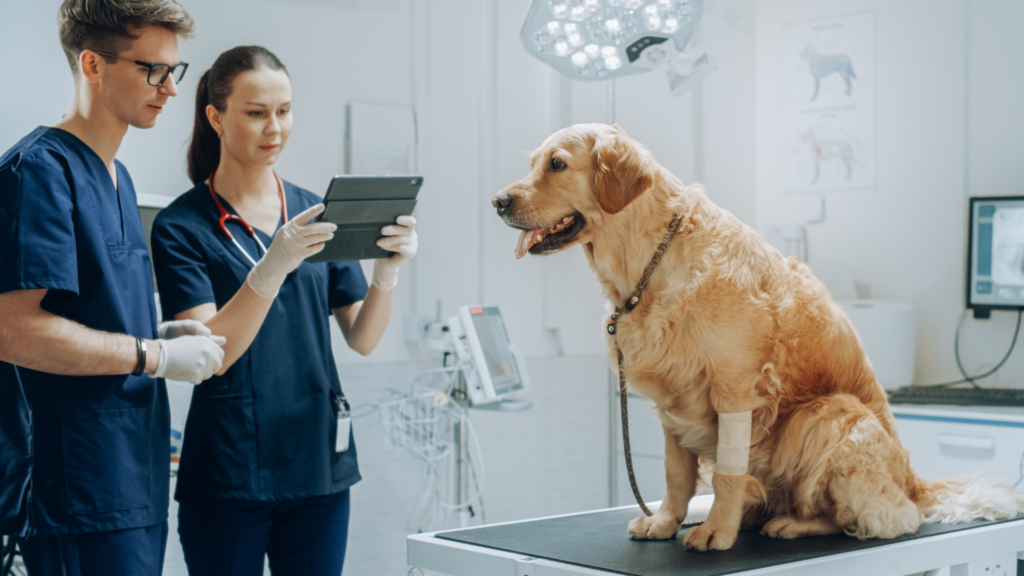
AI in training, education, and workforce benefits veterinary care by preparing students and professionals to use technology effectively.
Simulations, virtual cases, and data analysis improve learning and clinical decision-making.
This is where practice meets precision.
The power of AI in veterinary field lies in enhancing skills, reducing errors, and accelerating competency development.
You gain confidence, efficiency, and a deeper understanding of complex cases.
Smarter training. Stronger workforce. Better patient outcomes.
35. How are veterinary students being trained to use AI tools?
Students are now exposed to AI simulations, virtual patient cases, and diagnostic support systems. You see real-time feedback on clinical decisions and learn to interpret AI outputs critically. Courses integrate data science, machine learning basics, and ethical considerations. This hands-on experience prepares you to combine technology with clinical reasoning effectively. By practising with AI tools during training, you gain confidence and adaptability. Early exposure ensures graduates are not just familiar but proficient in using AI to enhance care.
36. Will AI reduce the demand for veterinarians in the future?
Not necessarily. AI changes the nature of veterinary work rather than replacing it. You will spend less time on routine data analysis and more on complex problem solving, client communication, and hands-on procedures. The demand may shift toward professionals skilled in AI interpretation, clinical decision-making, and integrated care. This is where AI in veterinary field complements rather than competes with human expertise. The workforce evolves, requiring adaptability but offering opportunities for enhanced value and efficiency.
37. Can AI help new graduates make better clinical decisions?
Absolutely. AI tools provide evidence-based recommendations, flag anomalies, and highlight patterns from vast datasets. You can cross-check your judgment, explore alternative diagnoses, and reduce early-career errors. This support is especially useful in high-pressure or uncertain scenarios. AI acts as a mentor that never tires. By integrating AI guidance with personal knowledge, you make more informed decisions faster. The combination of intuition and AI insight strengthens outcomes and boosts confidence during the critical early years of practice.
38. What skills will veterinarians need in an AI enhanced future?
Critical thinking, data interpretation, digital literacy, and adaptability will be essential. You must evaluate AI recommendations, understand algorithm limitations, and integrate insights into patient care. Communication skills remain vital for explaining AI-supported decisions to clients. Ethical reasoning and continual learning are also crucial. Some familiarity with coding or data science helps navigate advanced AI tools. This is where AI in veterinary field transforms your role from routine executor to informed decision-maker, combining technology with expertise for smarter, safer care.
Economics and Accessibility
AI in economics and accessibility benefits veterinary care by making services more efficient, cost-effective, and scalable.
Clinics can optimise workflows, reduce unnecessary tests, and improve resource allocation.
This is where efficiency meets affordability.
The value of AI in veterinary field lies in its ability to lower operational costs, expand access to quality care, and support evidence-based decisions.
You gain smarter budgeting, better service delivery, and improved outcomes for animals and owners alike.
Smarter investment. Wider access. Stronger impact.
39. Is AI too expensive for small or rural clinics?
Initial costs can be high, but scalable AI solutions are becoming more affordable. You can choose modular tools or cloud-based platforms that reduce infrastructure expenses. Some AI applications pay for themselves through efficiency gains, reduced errors, and better client retention. Grants or cooperative models also make access feasible. Small clinics can leverage AI strategically rather than adopting all tools at once. The goal is smarter use, not overspending, ensuring rural and smaller practices can still benefit.
40. Can AI help reduce costs for pet owners in the long run?
Yes. By improving diagnostic accuracy and reducing trial-and-error treatments, AI lowers unnecessary procedures and medications. You save time and money, and pets receive faster, targeted care. Preventive monitoring powered by AI can catch issues early, avoiding expensive emergency treatments. This is where AI in veterinary field becomes both a clinical and financial ally. Over time, the combination of efficiency, precision, and preventive action translates into tangible savings for owners and better health outcomes for animals.
41. How can clinics calculate return on investment for AI tools?
ROI depends on cost savings, improved efficiency, and revenue impact. You can measure reduced diagnostic errors, faster case handling, and increased client satisfaction. Track time saved per procedure and reductions in repeat visits or unnecessary tests. Compare operational costs before and after implementation. Some clinics also quantify revenue from new services enabled by AI. This systematic assessment helps justify investments, align budgets, and demonstrate financial and clinical value. Data-driven evaluation ensures smarter adoption and sustained benefits.
Pet Owners and Communication
AI in veterinary field is transforming how pet owners interact with vets and manage animal health.
Tools like apps, chatbots, and wearable devices allow you to receive updates on your pet’s well-being in real time.
You can track activity, detect early signs of illness, and communicate instantly with your veterinarian.
This enhanced connectivity improves care quality, reduces emergency visits, and empowers you to make informed decisions.
AI in veterinary field ensures that both pet owners and vets stay aligned, promoting proactive rather than reactive care.
42 How are veterinary students being trained to use AI tools?
Veterinary schools are increasingly integrating AI into their curricula. Students now learn to analyze large datasets, interpret AI-generated diagnostics, and combine these insights with traditional clinical knowledge. You might be surprised, but simulated patient platforms allow them to practice decisions without real-world risk. Hands-on workshops and AI software training ensure graduates are comfortable using technology in daily practice. AI in veterinary field is becoming as essential as anatomy or pharmacology, preparing students for a future where technology and clinical judgment work together.
43 Will AI reduce the demand for veterinarians in the future?
Not exactly. AI is more likely to shift the nature of veterinary work than replace it. Routine diagnostics and monitoring might be automated, freeing vets to focus on complex cases, surgeries, and client communication. You still need the human touch when interpreting subtle behavioral cues or explaining care options. Studies suggest AI can enhance efficiency but cannot replicate professional judgment. In fact, AI in veterinary field may increase demand for vets who can effectively leverage these tools to improve outcomes and client satisfaction.
44 Can AI help new graduates make better clinical decisions?
Absolutely. AI can process vast amounts of data and highlight patterns that humans might miss. Imagine reviewing lab results, imaging, and history in seconds, with AI suggesting possible diagnoses. This doesn’t replace your decision-making; it supports and validates it. New graduates can feel more confident, reduce errors, and learn from AI-driven insights over time. When used responsibly, AI in veterinary field acts as a clinical companion, allowing you to make more informed, evidence-based choices while developing your professional intuition.
45 What skills will veterinarians need in an AI enhanced future?
Beyond traditional clinical skills, vets will need data literacy, technological fluency, and critical thinking. Interpreting AI outputs, understanding algorithms’ limitations, and integrating them into care plans will be crucial. Communication skills become even more important, as explaining AI insights to pet owners requires clarity and trust. Continuous learning will be essential; AI tools evolve rapidly. Professionals who combine empathy, clinical expertise, and AI competence will thrive. AI in veterinary field is not a replacement, but a catalyst for smarter, more efficient veterinary practice.
Future of Veterinary AI
Source: synergy.vetmed.ucdavis.
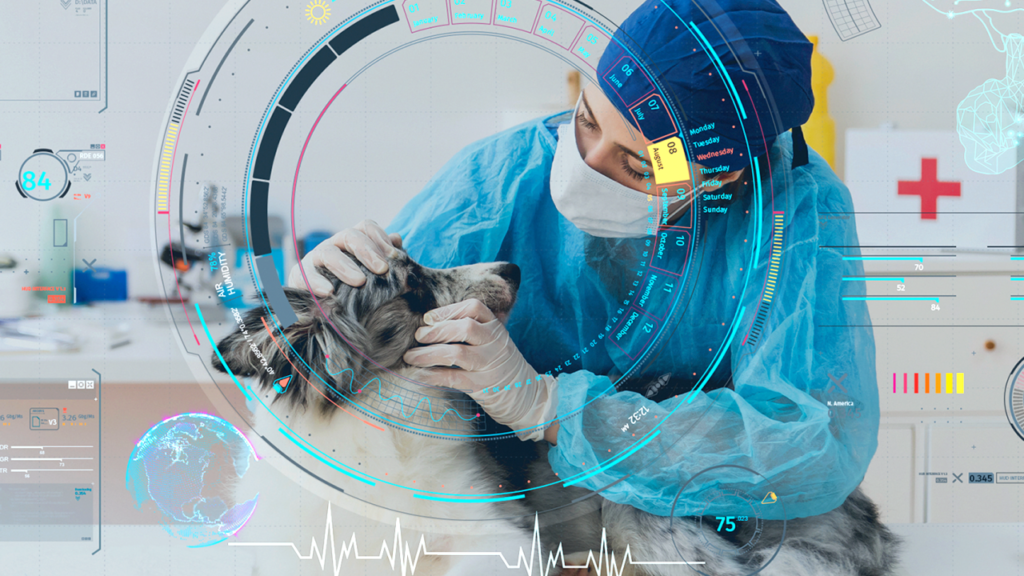
AI in veterinary field is reshaping how animal health will be managed in the coming years.
Advanced predictive models, wearable sensors, and real-time monitoring tools allow you to detect potential problems before they escalate.
This means earlier interventions, fewer emergencies, and more precise care plans.
Pet owners gain deeper insights into their animals’ daily health patterns, while vets can make decisions based on continuous data streams.
AI in veterinary field bridges the gap between observation and action, making care proactive rather than reactive.
46 What future breakthroughs can we expect in AI powered veterinary medicine?
The next wave of veterinary AI will likely include predictive diagnostics, personalized treatment plans, and enhanced imaging analysis. Imagine AI analyzing thousands of patient records to suggest optimal therapies for each animal. Robotics might assist in routine procedures, and virtual simulations could train vets in rare conditions. We are moving toward a future where AI anticipates challenges before they manifest visibly. AI in veterinary field promises to expand possibilities, allowing vets to focus on complex decision-making while routine tasks become automated.
47 Will future veterinary AI be able to predict illnesses before symptoms even show up?
Yes, predictive AI is closer than many realize. Using genetic information, behavioral data, and past medical history, AI models can flag potential diseases early. Think of it as a warning system for your pet’s health. This doesn’t replace your vet’s expertise, but it enhances it by identifying risk patterns that humans might miss. AI in veterinary field will increasingly act as a proactive partner, allowing interventions before symptoms appear, ultimately improving recovery outcomes and quality of life.
48 How close are we to AI systems that can assist vets during complex surgeries in real time?
Real-time surgical AI is already in experimental stages in some advanced veterinary centers. Systems can provide guidance, monitor vital signs, and even suggest adjustments during procedures. It’s not science fiction; it’s iterative progress. While fully autonomous surgeries are still years away, AI-assisted tools will soon become standard, enhancing precision and reducing errors. AI in veterinary field is evolving rapidly, combining robotics, imaging, and decision-support systems to make complex procedures safer and more efficient.
Related Posts
Why AI Is the Breakthrough Veterinary Care Was Waiting For
Unbelievable AI Advances in Healthcare – What’s Hidden?
21 AI Tools for Doctors You’ll Regret Ignoring in 2025
How Long Does It Take to Learn AI for a Non-Tech Person?
Conclusion
AI in veterinary field is not just a technical upgrade, it is a survival skill for the modern clinician.
The FAQs on AI in veterinary field clarify the risks of ignoring new technology and the rewards of engaging with it early.
Vets who understand these insights can strengthen diagnostic precision, reduce mistakes, and protect long term practice value.
The tools are evolving. Clients are changing. Expectations are rising.
The future will not wait. Your next step is to absorb these FAQs, apply their lessons, and close the practice gaps that could hold you back.
This is your advantage. Take it.