
AI Tools for Veterinary Care: The Hidden Gap Costing You Clients
AI tools for veterinary care are ushering veterinary medicine into a new era. Clinics that once relied only on hands, eyes, and intuition now use AI to diagnose diseases.
They also automate workflows, analyze images, predict risks, and improve patient outcomes with unprecedented accuracy.
Yet most vets still feel confused about what AI can really do. They aren’t clear about how to choose the right tools, and how to avoid the hype.
This article solves that problem.
It gives you a clear and practical view of AI tools for veterinary care, what they can actually achieve, and how clinics can use them to improve care, profitability, and efficiency.
Let us go deep.
1. Why AI Matters in the Veterinary World Today
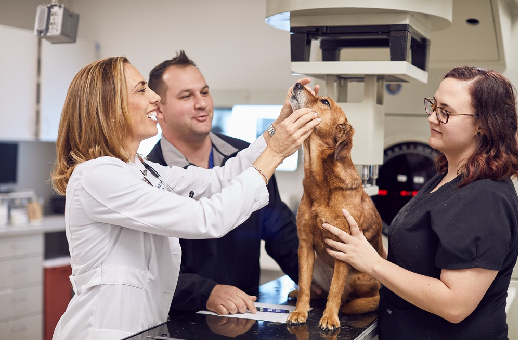
The Pressure Building Inside Modern Clinics
Is your clinic facing more pressure than ever before?
Most veterinary professionals feel this shift daily.
Growing case loads, rising client expectations, and endless administrative tasks leave almost no room for focused clinical work.
You want to offer the best care, yet the weight of routine demands often slows you down.
This is where the real challenge hides, quiet but persistent.
The landscape is changing quickly, and you need tools that help you keep pace rather than tools that add complexity.
How AI Reduces Diagnostic Guesswork
Accuracy is everything in veterinary medicine.
A missed pattern, a faint shadow, a subtle image detail. These can change an entire treatment plan.
Modern systems detect abnormalities in X rays, ultrasounds, CT scans, and dermatology images with surprising consistency.
You still decide the final call, but AI enhances what you already do well. It gives you clearer information, faster certainty, and fewer blind spots.
This is one reason many clinics now explore AI tools for veterinary care as part of their upgrade path.
How AI Speeds Up Clinic Operations
What slows you down the most each day?
Notes. Reminders. Scheduling. Repetitive tasks that consume your attention.
AI automates SOAP notes (Subjective Objective Assessment Plan), appointment confirmations, client updates, and billing summaries.
You gain time without sacrificing control.
The tools simply take over the tasks that do not need your medical expertise.
Your mental bandwidth improves, and so does your focus.
This frees space for complex cases and better client communication.
How AI Improves Patient Outcomes
Better data means better decisions.
AI predicts risk patterns, highlights potential complications, and tracks long term pet health trends.
This gives you deeper insight into the patient story.
You work with clearer expectations and more confidence. Clients notice this.
They feel reassured when care is proactive rather than reactive. It also helps differentiate your clinic in a competitive landscape.
The hidden gap that costs clinics clients is simple.
Precision.
When your diagnostics, workflows, and communication lack consistency, clients drift toward vets who feel more prepared.
AI closes that gap, and it does so quietly and effectively.
2. What AI Can Actually Do for Vets
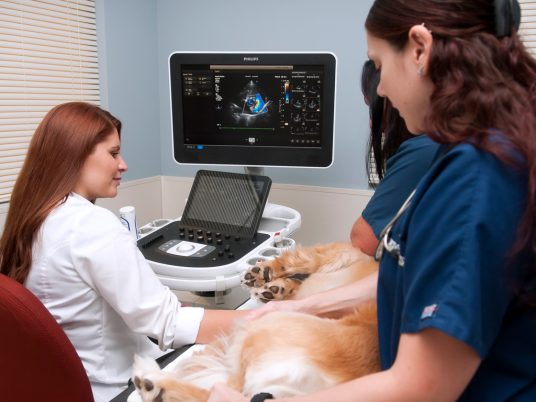
AI for Imaging and Diagnostics
How confident are you in spotting subtle anomalies in every scan?
Modern AI tools dramatically enhance diagnostic accuracy.
They analyze X rays, MRIs, CT scans, ultrasounds, and even ophthalmology and dermatology images.
This goes beyond detecting obvious fractures or tumors; AI identifies subtle inflammation, cardiac patterns, and orthopedic issues that are easy to miss.
Tools such as SignalPET, Vetology AI, Lunit, and VetCT streamline review workflows and reduce human error.
By integrating AI, you can process scans faster, catch rare conditions earlier, and free up time for patient care.
Clinics using these systems report faster report creation and higher diagnostic confidence, giving vets a practical advantage without replacing their professional judgment.
AI for Clinical Decision Support
Do you ever wish you had a second expert opinion instantly?
AI-based decision support evaluates symptoms, breed-specific risks, patient history, and biomarkers to suggest likely diagnoses and highlight red flags.
Tools like TallyVet, Anipanion AI, and VetCompass help vets make evidence-based treatment plans with greater confidence.
This not only supports decision-making but also reduces uncertainty in complex cases.
You retain control while AI organizes the data and highlights patterns.
Implementing these systems involves mapping common workflows, integrating patient data, and training staff to interpret AI insights effectively.
AI for Workflow Automation
What if routine administrative tasks didn’t consume your focus?
AI tools can automate medical record writing, SOAP notes, appointment reminders, client communications, follow-ups, and billing summaries.
Systems like Scribecat, Veterinary.ai, Talkatoo, and Covetrus handle repetitive tasks efficiently.
Step one is identifying bottlenecks in your daily workflow.
Step two, assign automation to those tasks while keeping clinical decisions manual.
This reduces fatigue, improves accuracy, and ensures your team focuses on patient care instead of paperwork.
AI for Predictive Analytics
Can you predict which patients might face complications?
AI predicts post-operative risks, chronic disease progression, breed-specific health issues, behavioral challenges, nutrition needs, and wellness trends.
insights allow proactive interventions.
Incorporating predictive analytics involves gathering longitudinal patient data, selecting a suitable AI platform, and integrating predictive outputs into care planning.
Clinics that leverage predictive analytics report better long-term outcomes and improved client trust.
AI for Client Communication
How effectively do you communicate with pet owners outside the clinic?
AI chatbots and messaging platforms answer routine questions, manage appointments, send medication reminders, and provide pre- and post-surgery guidance.
Tools like WhiskerCloud AI, Vetspire, or customized ChatGPT solutions maintain engagement while reducing staff workload.
Implementing these systems includes mapping common client queries, setting response protocols, and monitoring performance to ensure helpful and accurate communication.
Clients feel supported, and your clinic operates more efficiently.
AI Tools and Use Cases
| Tool Name | Use Case | Benefits |
|---|---|---|
| SignalPET – AI Radiology Platform | Imaging & diagnostics support with AI-assisted radiograph interpretation. | Rapid AI insights on imaging, improves accuracy and confidence, supports workflow integration. (SignalPET) |
| Vetology AI – Veterinary Radiology & Teleradiology | AI-assisted radiology screening and specialist report integration. | Speeds diagnostic workflow, improves imaging interpretation, supports multi-species reports. (Vetology) |
| VET.CT – Veterinary Teleradiology Services | Expert radiologist reports and imaging support. | Access to board-certified specialists, detailed annotated reports, boosts diagnostic confidence. (Vet CT) |
| Talkatoo – Voice & AI Documentation Software | Automated clinical documentation and dictation. | Converts speech to text, auto-SOAP notes, saves documentation time, improves accuracy. (Talkatoo) |
| Vetspire – AI Practice Management Platform | AI-driven clinic workflow, records, messaging, automation. | Streamlines documentation, automates reminders, enhances scheduling and communication. (Vetspire) |
3. Real World Use Cases That Show How AI Helps
Faster X Ray Diagnosis
How often do subtle fractures slip through the cracks?
A limping Labrador arrives at the clinic.
Traditionally, spotting a hairline fracture requires sharp focus and sometimes a second opinion.
With AI tools for veterinary care, the X ray is analyzed instantly.
The system highlights potential problem areas, flagging details that are easy to miss with the naked eye.
You review the AI suggestions and confirm the fracture, adjusting the treatment plan accordingly.
This not only speeds up diagnosis but also reduces the risk of errors, giving both you and the pet owner confidence.
Clinics report that integrating imaging AI decreases turnaround times and ensures more accurate reporting.
Post Surgery Risk Prediction
Can you predict complications before they happen?
AI evaluates age, breed, weight, vitals, and historical data to estimate risks.
For example, a post-operative canine patient may show elevated inflammation likelihood within 48 hours.
You can intervene proactively, adjusting medications or monitoring schedules.
This kind of predictive insight transforms post-op care from reactive to preventative.
Implementing predictive AI involves feeding accurate patient data, setting alert thresholds, and training staff to act on AI recommendations.
Clinics using these systems often see fewer complications, faster recovery times, and improved client trust.
Automating Medical Notes
How much time do your staff spend typing notes?
AI transcribes natural speech into structured medical records, SOAP notes, and summaries.
You speak normally during examinations, and the AI produces accurate documentation instantly.
No more juggling paperwork and patient care.
Step-by-step implementation involves selecting the transcription platform, linking it to your clinic’s record system, and training staff to review outputs for accuracy.
Automating notes improves efficiency, reduces errors, and lets your team focus on what truly matters—care and client communication.
Dermatology Image Analysis
Skin conditions can be subtle and varied.
AI tools evaluate dermatology images for mange, fungal infections, allergies, and dermatitis patterns.
The vet reviews flagged areas, confirming diagnoses quickly and accurately.
Complex cases that once took hours can now be assessed in minutes.
Practical use includes capturing high-quality images, feeding them into AI platforms, and interpreting the suggestions alongside clinical judgment.
This approach saves time, improves diagnostic confidence, and enhances patient outcomes while keeping clients informed and reassured.
4. How to Choose the Right AI Tools for Veterinary
Use Case Relevance
What problem are you trying to solve first?
AI is not one-size-fits-all. Some tools focus on imaging and diagnostics, while others streamline workflow, assist clinical decisions, or manage client communication.
Start by mapping your clinic’s pain points.
Do you spend too much time on imaging review?
Is documentation slowing you down?
Or are clients demanding faster, proactive updates?
Choosing a tool that aligns with your most pressing need ensures immediate impact and staff adoption.
Evaluate each option against your current workflow and patient needs, rather than buying based on hype or features alone.
Regulatory and Clinical Validation
How do you know the AI works reliably?
Always verify regulatory compliance and scientific validation.
Look for peer-reviewed studies, FDA or CE approvals, veterinary field testing, and published accuracy reports.
These measures ensure trustworthiness and reduce risk.
A system that isn’t clinically validated might produce incorrect recommendations, increasing liability and undermining client confidence.
Step-by-step, start by reviewing vendor documentation, then cross-check independent studies or case reports.
This process filters out unproven tools before implementation, keeping your clinic safe and your team confident.
Integration with Current Systems
Will this AI fit seamlessly into your workflow?
Compatibility matters.
Your AI should connect with PIMS, imaging devices, lab results, and cloud storage.
Tools that operate in isolation can create bottlenecks rather than solving problems.
Integration is often more important than features.
Start by mapping existing systems, identify potential data flows, and test small-scale integrations.
Staff training on integrated workflows ensures the tool enhances, rather than complicates, daily operations.
Smooth integration directly improves efficiency and patient care.
Cost and Scalability
How much should you invest upfront?
Start small, ideally with per scan or per month pricing, and scale as ROI becomes clear.
Consider long-term costs, including staff training and maintenance.
The most expensive option is not always the best.
Practical steps include running a pilot program, measuring time saved, diagnostic accuracy improvements, and client satisfaction.
Once results are proven, gradually expand tool usage to more cases or departments.
This approach balances cost, operational benefit, and strategic growth for your clinic.
5. Advantages of Using AI in Veterinary Practice
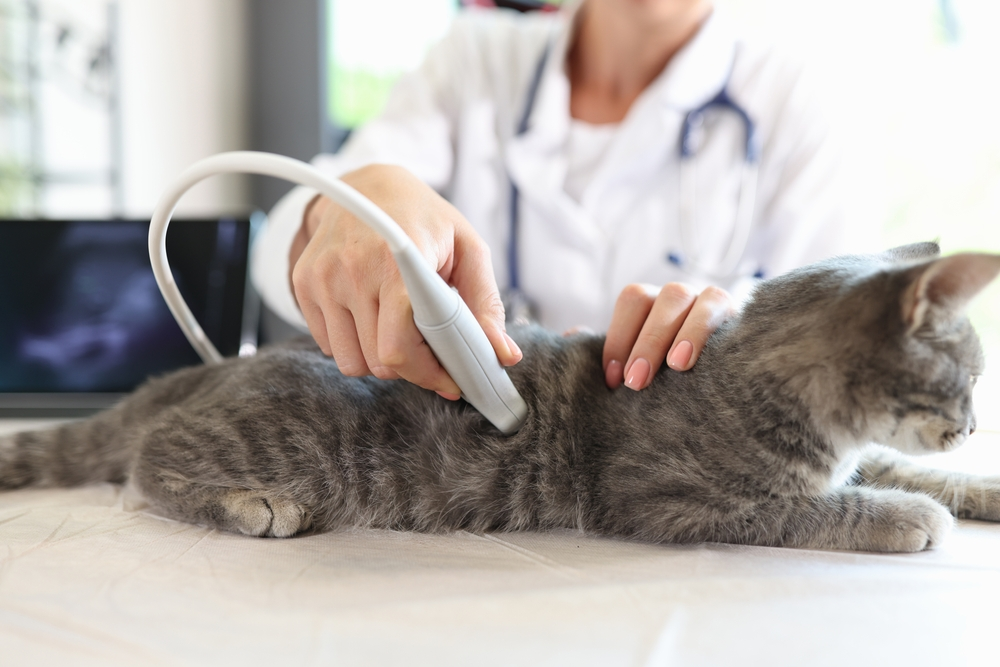
Faster Diagnosis
How quickly can you identify conditions before they worsen?
AI tools can analyze imaging data, lab results, and patient history in minutes, flagging potential issues that might take humans longer to notice.
From fractures and tumors to subtle dermatology conditions, AI enhances early detection
Faster diagnosis translates directly into better patient outcomes and fewer missed conditions.
Clinics report that integrating imaging AI reduces review time by up to 40 percent while improving accuracy.
By adopting AI for diagnostics, you can act sooner, make informed decisions, and reassure clients that their pets are receiving top-level care.
Reduced Workload
Are repetitive tasks eating into your clinical focus?
Workflow automation tools handle SOAP notes, appointment reminders, client communication, and billing, freeing your team to concentrate on patient care.
Platforms like Scribecat, Veterinary.ai, and Covetrus automate administrative duties efficiently.
Reducing manual workload decreases staff fatigue and minimizes human error.
Step-by-step, start by identifying repetitive tasks, then assign them to AI systems while retaining oversight.
This approach ensures you maintain quality while gaining significant time savings.
Increased Revenue
Can efficiency improve your bottom line?
By reducing errors, accelerating diagnostics, and streamlining operations, AI creates more billable outcomes and faster patient throughput.
Clinics using AI tools for veterinary care report improved revenue from enhanced service capacity and accurate procedures.
Predictive analytics also helps schedule preventive care and wellness visits proactively, which encourages repeat visits.
The combination of operational efficiency and better patient management produces tangible financial benefits.
Better Patient Outcomes
How do you ensure pets receive the most effective treatment?
AI helps monitor trends, predict risks, and suggest evidence-based interventions.
This allows veterinarians to adjust care plans dynamically.
Data-driven insights reduce complications and improve long-term recovery.
By tracking wellness trends, behavioral risks, and chronic conditions, AI supports more precise treatment strategies, ensuring healthier, happier patients over time.
Higher Client Trust
Do clients notice when a clinic is ahead of the curve?
Pet owners value accuracy, efficiency, and proactive care.
Using AI demonstrates competence, technological sophistication, and attention to detail.
Clients feel reassured when their pets are monitored using advanced tools.
This trust translates to loyalty, referrals, and higher satisfaction, establishing your clinic as a leader in modern veterinary care.
6. Common Mistakes Clinics Make With AI Tools
Faster Diagnosis
How quickly can you identify conditions that may worsen without intervention?
AI tools for veterinary care can analyze X rays, CT scans, MRIs, and ultrasound images in minutes, detecting fractures, tumors, or subtle inflammation patterns that might be missed during manual review.
Faster diagnosis leads to more timely treatment decisions and reduces the likelihood of overlooked conditions.
By using imaging AI platforms like SignalPET or Vetology AI, clinics can improve diagnostic accuracy while maintaining high throughput.
Integrating these tools into daily practice ensures that every patient receives timely and precise evaluation, enhancing clinical confidence.
Reduced Workload
Are repetitive administrative tasks taking away your focus from patients?
Workflow automation AI can handle SOAP notes, appointment scheduling, reminders, billing, and client communications.
Tools such as Scribecat, Talkatoo, and Veterinary.ai convert spoken observations into structured records and automate notifications.
Delegating routine tasks to AI frees your team to prioritize patient care.
Start by identifying the most time-consuming administrative duties, then implement AI solutions step-by-step, ensuring staff oversight while reducing errors and increasing efficiency.
Increased Revenue
Can efficiency translate directly into financial gains?
AI tools for veterinary care not only improve operational workflow but also enable more accurate diagnostics and faster patient throughput.
Predictive analytics allows clinics to plan preventive care, wellness visits, and follow-ups proactively.
By streamlining processes and enhancing clinical outcomes, AI indirectly boosts revenue.
Piloting AI in high-impact areas first, then scaling gradually, ensures measurable ROI while maintaining quality care standards.
Better Patient Outcomes
How do you ensure optimal long-term results for your patients?
Data-driven AI assists in predicting complications, monitoring chronic conditions, and tailoring treatment strategies to individual animals.
By integrating predictive analytics and decision support systems, you can proactively manage patient health and adjust interventions as needed.
AI enables a higher level of precision, which translates into healthier pets and improved recovery times.
Higher Client Trust
Do clients notice when a clinic embraces advanced technology?
Pet owners value accuracy, efficiency, and proactive care.
Using AI demonstrates competence and modernity, fostering trust and loyalty.
When clients see that diagnostics and communication are enhanced by AI, they feel confident in your services.
This reputation strengthens retention and encourages referrals, positioning your clinic as a leader in modern veterinary practice.
7. The Future of AI in Veterinary Medicine
Real Time Diagnostic Support in Daily Exams
Is real time intelligence becoming standard in clinics?
You can already see the shift in routine consultations.
Vets are beginning to rely on instant decision assistance that reviews symptoms, past medical history, and imaging results within seconds.
This improves diagnostic accuracy and shortens the time spent on manual interpretation.
The real benefit is confidence.
You get a second set of trained eyes that never tires and never overlooks micro patterns in scans.
Clinics using such systems report fewer missed conditions and faster care pathways.
As these tools expand, your future consultations will feel more like guided workflows where you focus on patient connection while the system handles the heavy analysis.
Automated Records and Workflow Streamlining
Are manual notes slowing your clinical flow?
Many practices still lose valuable time on typing, filing, and updating medical histories.
New audio driven record systems capture every spoken detail during an exam and convert it into structured, searchable files.
This removes repetitive tasks and improves accuracy.
You also reduce compliance risks because the system stores dosage, recommendations, and procedural steps correctly.
Your attention stays on the patient instead of the computer.
Integrated platforms even sync schedules, reminders, and medication logs.
This is one area where AI tools for veterinary care have become a practical investment rather than a futuristic idea.
Digital Twins and Predictive Care Models
Can a virtual replica of every patient improve long term outcomes?
Digital twin technology is entering veterinary practice and offers a new way to simulate treatment choices.
The system builds a dynamic model of each pet using medical records, imaging data, and lifestyle inputs.
You can test medication plans, anticipate complications, and compare recovery paths before making a final decision.
It also supports preventive care by highlighting early risk markers.
Clinics adopting these platforms report stronger client trust because recommendations feel transparent and evidence based.
This is the second place your use of AI tools for veterinary care creates a noticeable competitive advantage.
Many owners actively prefer clinics that offer early risk detection and tailored care.
Future ready practices grow faster.
And with thoughtful adoption, your clinic becomes one of them.
FAQs
1. Do AI tools replace veterinarians?
No. AI tools assist with pattern recognition, data analysis, and workflow efficiency.
Final diagnosis, treatment decisions, and ethical responsibility always remain with the veterinarian.
2. Are AI tools accurate enough for real use?
Yes, many AI tools are clinically validated and show high accuracy in real-world settings.
However, they should support, not replace, professional judgment and cross-verification.
3. Are AI veterinary tools expensive?
Pricing varies by tool and usage.
Most platforms offer affordable monthly plans or pay-per-scan models suitable for clinics of all sizes.
4. Can small clinics use AI?
Absolutely. Small clinics often see the fastest ROI.
AI reduces administrative burden and allows vets to focus more on patient care.
5. Is client data safe?
Reputable AI vendors follow strict data security and privacy standards.
Always choose tools that are compliant with veterinary data protection regulations.
Related Posts
How AI Pet Diagnosis Reveals Problems You Cannot See Yet
48 FAQs on AI in Veterinary Field That Expose Hidden Practice Gaps
Why AI Is the Breakthrough Veterinary Care Was Waiting For
The Secret AI Tools for Educators No One Talks About
Conclusion
AI tools for veterinary care are no longer optional, and you can see that clearly in the way modern clinics operate.
You are working in a space where diagnostics, workflows, and client expectations evolve faster than most practices can keep up with.
So the question is simple. Are you ready to match that pace?
When you adopt systems that support imaging analysis, automate records, and provide predictive guidance, you reduce pressure on your team and raise the overall standard of care.
Clients notice this. They trust clinics that offer transparent insights and faster answers.
The shift is not only technical, it is strategic, because better decisions lead to better outcomes and stronger reputations.
If you plan your adoption thoughtfully, you gain a long term advantage that many competitors will miss. This is why your move toward AI tools for veterinary care becomes the hidden gap that protects your future.