
Smart AI Learning Habits for Non-Techies Taking Free Courses
Smart AI learning habits can make the difference between feeling overwhelmed by artificial intelligence and confidently using AI tools in everyday life.
Today, many non-techies are enrolling in free AI courses and experimenting with tools like ChatGPT and Gemini.
However, beginners often struggle because they consume information without structured learning routines or practical implementation.
But that doesn’t have to be you.
Fact is Business owners, freelancers, teachers, and creators are all learning AI gradually through practical use.
This article helps you get going.
Why Smart AI Learning Habits Matter More Than Raw Intelligence
Consistency Creates Confidence Over Time
Many beginners assume artificial intelligence requires exceptional intelligence, advanced coding expertise, or naturally technical problem-solving abilities.
That is untrue.
Most successful learners improve gradually because they practice consistently instead of depending entirely upon motivation or natural talent.
Small steps matter.
People often begin enthusiastically, then suddenly feel overwhelmed after watching complicated tutorials filled with unfamiliar technical language.
Who would not?
This confusion usually happens because learners consume excessive information without building steady routines supporting long-term understanding and retention.
That becomes exhausting.
Developing smart AI learning habits helps beginners simplify complex ideas into manageable actions repeated consistently over longer periods.
The brain adapts.
Non-Techies Can Learn AI Successfully
You do not need programming experience before learning how artificial intelligence tools improve productivity, creativity, and daily professional workflows.
Seriously. You do not.
Many non-techies learn faster after removing pressure to understand every technical detail immediately during their learning journey.
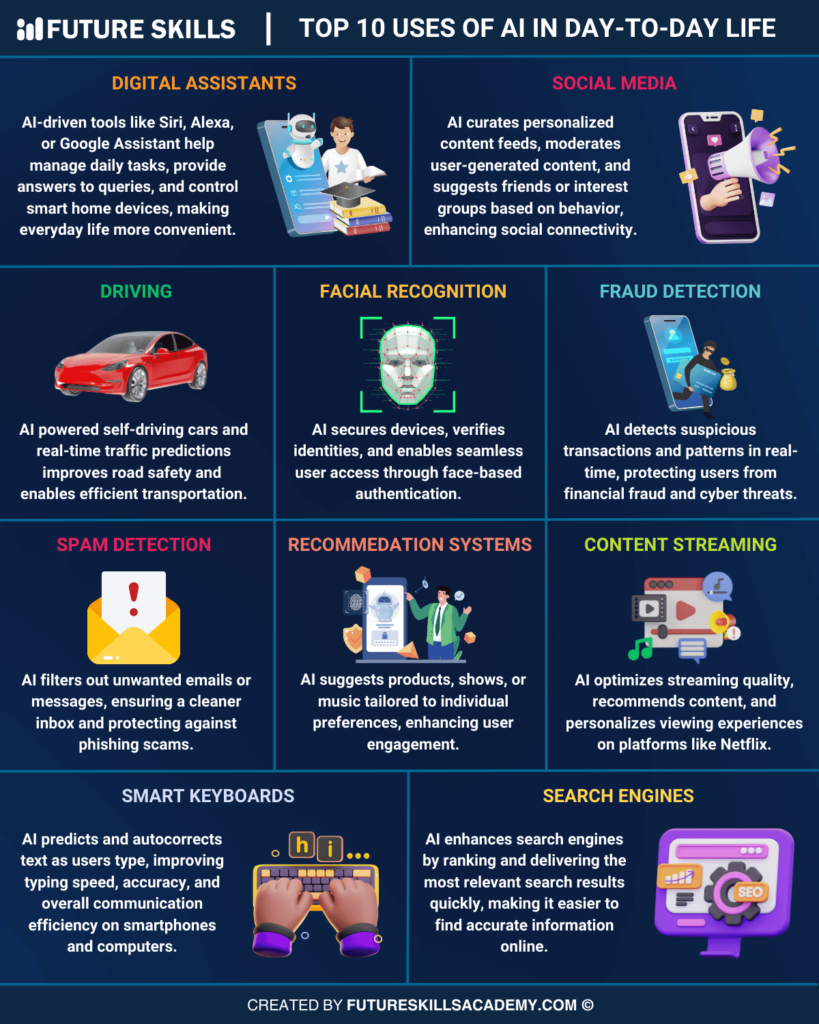
Image Source: Future Skills
Practical usage helps more.
Instead of memorizing theories endlessly, beginners benefit greatly from experimenting directly with chatbots, AI writing assistants, or automation platforms.
Results build belief.
Over time, these repeated experiences reduce confusion while improving confidence, curiosity, and long-term understanding of practical AI applications.
That is the shift.
The goal is not becoming an engineer overnight, but developing smart AI learning habits supporting steady and sustainable progress.
Creating Smart AI Learning Habits with a Realistic Study Routine
Small Daily Sessions Build Long-Term Retention
Do you really need hours every day before artificial intelligence concepts start making practical sense for beginners?
Not at all.
Research from the University of California suggests shorter, repeated study sessions improve retention better than occasional intensive learning marathons.
That explains a lot.
Many learners absorb AI concepts faster when they follow an AI study routine built around smaller daily learning blocks consistently.
Even thirty minutes helps.
Short sessions reduce mental fatigue while allowing your brain enough recovery time between new concepts and practical experimentation.
That balance matters.
In contrast, binge learning often creates temporary excitement but weak long-term understanding because information becomes mentally overcrowded very quickly.
You forget faster.
Structure Makes Learning Easier for Busy Professionals
If your schedule already feels packed, habit stacking can make daily AI practice easier without disrupting existing responsibilities or routines.
Simple adjustments work.
For example, you might study AI immediately after morning coffee or during a quiet evening break after work.
Consistency builds momentum.
Digital calendars and reminder apps also strengthen AI learning consistency because they reduce reliance upon unpredictable motivation or memory alone.
That removes friction.
Over time, these small systems support smart AI learning habits that feel sustainable instead of exhausting or overwhelming for beginners.
Small Daily Actions for Practical AI Skills
| Smart AI Learning Habit | What Non-Techies Should Do | Long-Term Benefit |
|---|---|---|
| Create a Realistic Study Routine | Dedicate 20–30 minutes daily instead of occasional marathon sessions | Builds sustainable learning momentum |
| Learn in Small Daily Sessions | Focus on one concept, tool, or feature at a time | Improves retention and reduces overwhelm |
| Follow a Structured Learning Path | Use weekly goals and topic-based schedules | Creates clarity and learning discipline |
| Avoid Information Overload | Ignore unnecessary AI trends and focus on essentials first | Prevents confusion and mental exhaustion |
| Learn Selectively with Purpose | Choose AI skills connected to work, business, or personal productivity | Makes learning practical and rewarding |
| Practice AI Hands-On Regularly | Use AI for writing, brainstorming, summaries, or automation tasks | Builds confidence through real application |
| Experiment Without Fear | Test prompts, retry outputs, and explore multiple AI tools | Encourages curiosity and problem-solving |
| Join AI Communities and Discussions | Follow AI creators, forums, webinars, and beginner groups | Accelerates learning through shared insights |
| Track Progress and Stay Consistent | Maintain notes, save prompts, and review improvements weekly | Strengthens motivation and long-term growth |
Avoiding Information Overload During Free AI Courses
Too Much Information Can Slow Learning
Have you noticed how quickly AI learning becomes confusing after opening several tutorials, tools, and expert recommendation videos simultaneously?
That happens often.
A 2024 Coursera learner survey found beginners retained concepts better when focusing upon fewer structured learning resources consistently.
The reason is simple.
When your attention constantly shifts between platforms, your brain struggles to organize information into meaningful and usable understanding.
Mental clutter grows.
Many beginners assume consuming more content automatically improves expertise, but endless watching often replaces actual practical understanding over time.
That cycle drains motivation.
Instead, smart AI learning habits encourage focused learning where you complete one useful course before starting another unfamiliar program.
Progress feels clearer.
Learn Selectively, Not Endlessly
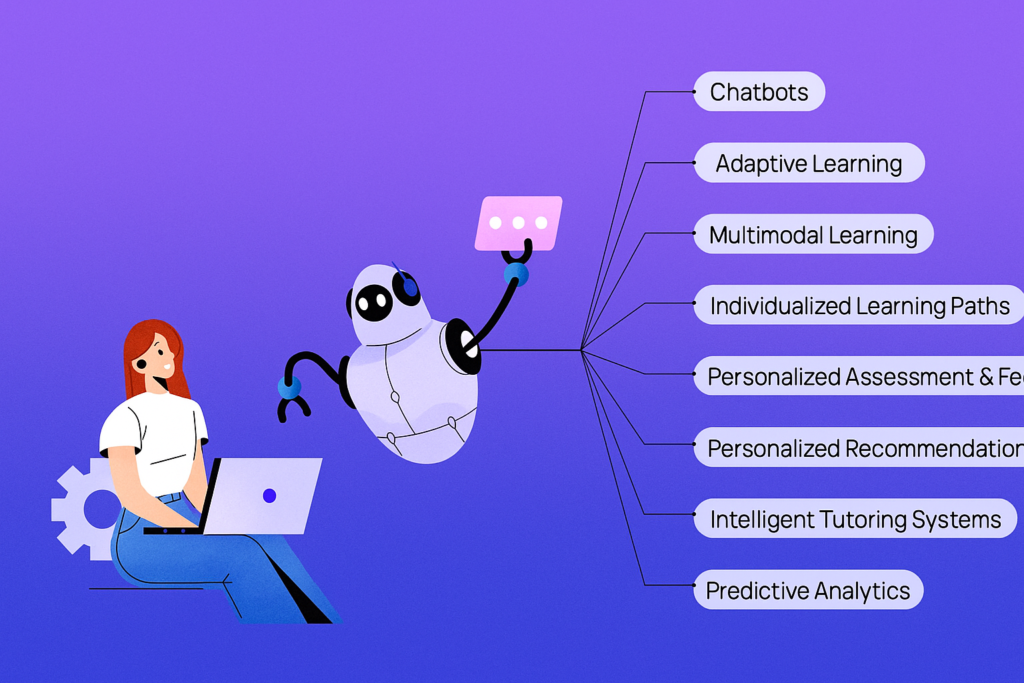
You do not need every trending AI tool or tutorial before developing practical confidence using artificial intelligence in everyday situations.
Really. You do not.
Source: Morhover.com
Useful information usually solves a real problem or improves your understanding through direct application rather than passive consumption alone.
That distinction matters.
For example, learning one chatbot thoroughly often provides stronger practical skills than briefly testing several complicated platforms superficially.
Depth beats distraction.
Over time, filtering unnecessary noise becomes easier because you begin recognizing which resources genuinely support your personal learning goals.
Clarity improves naturally.
Eventually, smart AI learning habits help you stay curious without becoming mentally overwhelmed by nonstop information and constant digital distractions.
Smart AI Learning Habits Include Hands-On AI Practice
Passive Watching Rarely Creates Real Understanding
Have you ever finished several AI tutorials yet still felt unsure about using artificial intelligence tools independently afterward?
That feeling is common.
A report from the National Training Laboratories found active learning methods improve retention far more than passive observation alone.
The difference is noticeable.
Watching endless demonstrations may feel productive initially, but practical understanding develops only after direct experimentation and repeated usage experiences.
That is the turning point.
For example, creating a small chatbot prompt inside ChatGPT teaches more than simply watching another explanation video online.
Real interaction matters.
Similarly, designing social graphics through Canva or testing prompts using Gemini builds stronger familiarity gradually through practical engagement.
You learn faster.
Experimentation Builds Confidence Naturally
Many beginners hesitate because they fear making mistakes while exploring unfamiliar AI tools or digital workflows independently.
That hesitation slows growth.
In reality, experimentation often teaches deeper lessons because mistakes reveal how systems respond under different practical situations and prompts.
That feedback helps.
Over time, smart AI learning habits develop naturally when you begin using AI during everyday writing, planning, or research tasks.
Small actions compound.
Eventually, repeated practice reduces confusion while helping artificial intelligence feel more approachable, useful, and far less intimidating for beginners.
How Learning Communities Accelerate AI Understanding
Learning Alone Often Slows Progress
Have you noticed how confusing artificial intelligence concepts feel when you try understanding everything completely on your own?
That isolation matters.
Many beginners improve faster after joining online communities where people openly discuss tools, prompts, workflows, and practical learning experiences.
Shared learning helps.
Platforms like LinkedIn, Reddit, and Discord allow learners to ask questions without feeling professionally judged or intellectually inadequate.
That reduces hesitation.
According to a 2025 Pew Research study, collaborative digital learning environments significantly improved engagement and long-term learner retention rates.
The impact is real.
When someone explains a difficult concept using simple language or practical examples, understanding often becomes easier and less intimidating immediately.
Clarity grows faster.
Conversations Create Better Learning Momentum
You do not need expert-level knowledge before participating in conversations about AI tools, workflows, or beginner learning experiences online.
Start where you are.
In fact, asking thoughtful questions often accelerates learning because experienced users frequently share shortcuts, mistakes, and practical insights openly.
That saves time.
Over time, these interactions support smart AI learning habits by making artificial intelligence feel more accessible and less technically overwhelming.
Confidence improves gradually.
Networking also matters because the AI industry increasingly values curious learners who stay informed, adaptable, and connected with evolving digital trends.
Building Smart AI Learning Habits Through Real-World Application
Practical Usage Creates Deeper Understanding
What actually helps beginners understand artificial intelligence faster than endlessly watching tutorials or reading theoretical explanations online?
Practical application does.
Many professionals learn AI more effectively once they begin applying tools directly within everyday work responsibilities and creative tasks.
That shift changes everything.
For instance, using AI for email drafting, content planning, or research summaries quickly demonstrates how these systems improve productivity realistically.
You see immediate value.
According to a 2025 Deloitte workplace technology survey, employees using AI regularly developed stronger confidence and faster tool familiarity over time.
Experience builds understanding.
That is why smart AI learning habits become more effective when learning connects directly with your professional goals or personal interests.
Relevance improves retention.
Real Workflows Build Real Confidence
You do not need complicated automation systems before creating useful workflows that simplify repetitive tasks using artificial intelligence tools practically.
Start simple first.
Even small actions, such as organizing ideas with AI assistance or improving writing clarity, gradually strengthen practical digital confidence.
Those habits matter.
Over time, curiosity transforms into usable skill sets because repeated experimentation creates familiarity with prompts, workflows, and AI-driven problem-solving methods.
Confidence grows naturally.
Eventually, smart AI learning habits help artificial intelligence feel less theoretical and far more integrated within your everyday personal and professional routines.
Staying Updated Without Feeling Overwhelmed by AI Trends
You Do Not Need Every AI Update
Does staying informed about artificial intelligence require following every new tool, announcement, or viral industry prediction appearing online daily?
Definitely not.
Many beginners mistakenly believe constant information consumption automatically improves expertise, but excessive exposure often creates mental exhaustion and confusion instead.
That pattern is common.
The AI industry evolves rapidly, yet most practical users benefit more from understanding useful concepts than chasing every trending innovation immediately.
Relevance matters more.
For example, following a few trusted AI newsletters or experienced educators often provides clearer insights than endless social media browsing sessions.
Quality beats quantity.
A Reuters Institute digital habits study found focused information consumption improved comprehension and reduced digital fatigue among regular online learners significantly.
That finding matters.
Build a Sustainable Information Routine
You learn more effectively when your AI learning resources support practical understanding instead of triggering constant distraction or unnecessary anxiety online.
That distinction matters.
Instead of endlessly doom-scrolling through alarming headlines, focus upon AI trends for beginners that directly connect with your personal learning goals.
Keep it relevant.
Over time, smart AI learning habits help you filter useful updates while avoiding the pressure to master everything simultaneously.
That balance protects focus.
Eventually, steady learning routines create confidence because you remain informed without becoming mentally overwhelmed by nonstop technological change or online noise.
From Curious Beginner to Confident AI User
Progress Happens Through Consistent Practice
Do confident AI users naturally understand everything immediately after completing one beginner-friendly course or tutorial series?
Usually not.
Most people gradually build practical understanding through repeated experimentation, consistent practice, and steady exposure to evolving artificial intelligence tools.
That process takes time.
Along the way, you may notice concepts that once seemed intimidating becoming surprisingly manageable through regular practical interaction and curiosity.
Small wins matter.
A 2025 IBM workplace skills report found continuous learners adapted faster to emerging technologies than learners pursuing occasional intensive study periods.
Consistency changes outcomes.
That is why smart AI learning habits matter more than chasing perfection or comparing your progress with highly technical professionals online.
Your pace works.
Curiosity Matters More Than Perfection
Many beginners delay experimenting because they fear making mistakes while using unfamiliar AI platforms, prompts, or productivity workflows independently.
That fear is common.
However, mistakes often accelerate understanding because they reveal how artificial intelligence systems actually respond during practical real-world situations.
You learn directly.
Over time, regular experimentation strengthens confidence while reducing the hesitation that prevents many beginners from applying newly learned concepts practically.
That confidence compounds.
Eventually, smart AI learning habits help you move beyond passive curiosity toward meaningful long-term growth within the rapidly evolving AI landscape.
FAQs
1. Can non-techies really learn AI without coding?
Yes. Many modern AI tools are designed for everyday users, not programmers. Non-techies can learn prompt writing, AI productivity tools, automation basics, and content generation without learning complex coding languages or technical development skills first.
2. What are the best AI tools for beginners to practice with?
Tools like ChatGPT, Gemini, Canva, and Notion AI are beginner-friendly. They help users understand practical AI applications through writing, design, organization, brainstorming, and productivity tasks.
3. How much time should beginners spend learning AI daily?
Even 20 to 30 minutes daily can create strong momentum. Consistency matters more than long study sessions. Small daily learning habits improve retention and reduce overwhelm, especially for beginners balancing work, family, and other responsibilities.
4. Why do many people quit free AI courses halfway?
Many learners consume too much information too quickly without practical application. Information overload, unrealistic expectations, and lack of consistency often cause frustration. Simple hands-on practice usually improves motivation and learning retention significantly.
5. How can beginners stay updated with AI trends without confusion?
Follow only a few trusted newsletters, YouTube creators, or AI blogs instead of consuming endless updates. Focus on practical developments relevant to your goals rather than trying to understand every new AI announcement or tool release.
6. Are AI certificates important for non-techies?
Certificates can improve confidence and strengthen resumes, but practical skills matter more. Employers and clients increasingly value people who can actually use AI tools effectively in communication, productivity, marketing, research, or business workflows.
7. What is the fastest way to improve practical AI skills?
Using AI daily for real tasks is the fastest learning method. Try brainstorming ideas, summarizing articles, writing emails, organizing information, or automating repetitive work using AI tools in practical everyday situations.
8. Which free AI learning communities are best for beginners?
Platforms like Reddit AI Communities, LinkedIn Learning Communities, and Kaggle Learn help beginners ask questions, discover resources, and learn from others exploring artificial intelligence practically.
Related Posts
AI Tools Comparison Guide: Pick Smarter, Work Faster Now
11 Simple Ways to Use AI (Even If You Hate Technology)
AI Productivity Tools Shaping Work, Code, Learning, and Decisions
AI Social Media Tools Secretly Changing Social Media Work
Conclusion
Smart AI learning habits help non-techies turn confusion into clarity, and curiosity into real capability.
Free AI courses certainly create opportunities, but meaningful progress happens only when learning becomes consistent and practically useful in everyday situations. Many beginners mistakenly believe they must master every AI platform immediately.
That pressure often creates frustration instead of confidence.
In reality, small daily actions usually produce stronger long-term understanding than occasional intensive study sessions. Even simple experimentation with tools like ChatGPT or Gemini can gradually improve familiarity and practical confidence.
The AI industry will continue evolving rapidly, yet beginners still have enormous opportunities if they remain adaptable and curious. Start with manageable goals, apply concepts regularly, and allow your confidence to grow naturally through experience.
Over time, those steady habits can transform artificial intelligence from something intimidating into something genuinely useful, approachable, and professionally valuable.