
2026 AI Reset: Non-Techies Who Miss These Tools Will Fall Behind
Most people, especially non-techies exploring AI tools, sense that a major shift is coming in digital life, yet few understand how quickly these changes will hit.
In 2026, the gap between confident users and confused beginners will widen sharply. And the group most exposed will be non-techies and AI tools learners who are still waiting for the right moment to start.
Think about this carefully.
The real transformation is already under way.
New platforms, faster models, and smarter assistants are shaping the future. If you want to stay relevant, you must understand where this shift is heading.
The good news is simple.
With the right habits, you can ride this wave instead of getting swept under it.
Why This Advantage Looks Like a Contradiction for Non-Techies Using AI Tools
Non-techies benefit because modern AI focuses on clarity, intention, and good problem framing over technical skills. These tools handle context automatically, so simple questions can create powerful results quickly. Anyone who learns consistently and experiments early gains a real competitive edge.
Here is the contradiction. The world believes AI is becoming harder, more technical, and more exclusive.
Yet the opposite is happening.
According to Geeks for Geeks modern AI follows longer conversations, gives more accurate replies, and reduces the need to repeat yourself.
Tools are becoming simpler, more conversational, and more self-directed.
This means non-techies have a strategic advantage, not a disadvantage.
Strange, right?
Think again.
Most people assume that technical depth creates success in an AI driven world. It does not.
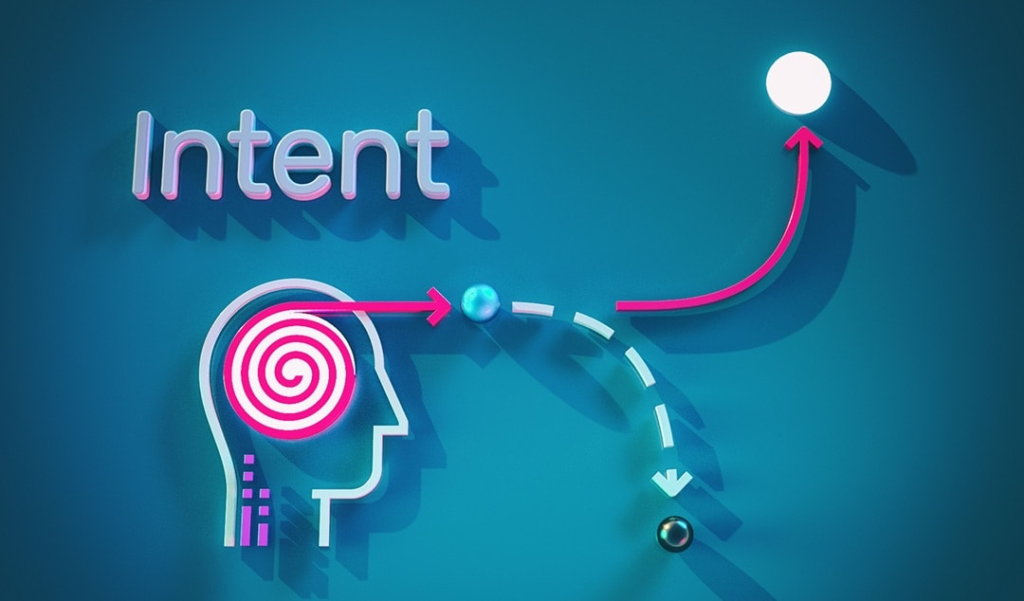
What works in 2026 is clarity of intention.
Source: Functionize
The person who asks better questions, sets better prompts, and understands outcomes will outperform someone who knows the code but cannot communicate. Wait. Let that sink in.
This shift matters because AI is evolving to interpret context, not just commands. Here is what it means.
The tools that drive the 2026 AI reset will reward curiosity, reasoning, and problem framing.
Not coding ability.
If you are a non-technical user, you are not behind.
You are early, provided you learn fast and adopt the right systems. The biggest winners will be the ones who see this contradiction clearly and move now.
The Real Danger Is Stagnation When Non-Techies Ignore AI Tools
Stagnation hits when people rely on old habits while AI keeps moving forward rapidly. Modern tools reward curiosity, learning, and small regular practice. But non-techies who avoid experimenting fall behind quietly without realizing it.
Here is the blind spot.
When people hear about new AI features, they get excited about speed, automation, and shortcuts. What they rarely notice is the cost of not upgrading their thinking.
The real danger is stagnation.
As AI expert, Fei-Fei Li says, “AI is everywhere. It’s not that big, scary thing in the future. AI is here with us.”

Source: BBC Fei Fei Li
If you rely only on old habits, the speed of technology will outrun your ability to stay adaptable.
Another quiet risk emerges.
Many users try a few popular platforms, then assume they understand the landscape.
That assumption becomes a trap.
The 2026 ecosystem will not reward surface-level usage. It will reward deeper understanding, pattern recognition, and tool selection based on purpose.
Without that, the results will stay shallow.
This oversight affects non-techies and AI tools the most, because the learning curve feels intimidating.
Yet the hidden truth is simple. Small, consistent learning beats big, irregular efforts. In fact, learning AI is extremely useful for non-techies.
If non-technical users fail to experiment with new features or smarter workflows, they create invisible friction in their own growth.
They fall behind without even noticing. That is the real cost.
How One Simple Question Changed Everything
Meet Sarah Collins from Denver. She is forty three, works in healthcare administration, and never imagined she would use any advanced technology.
One day she saw her team struggle with scheduling.
The manual process caused long delays, repeated errors, and endless frustration. Sarah felt stuck and unsure where to start.
She typed a simple question into an AI assistant.
Nothing fancy. Just a direct question.
The tool generated a clean scheduling workflow. It also suggested a patient communication script. Sarah tested it.
Patients responded faster.
The team saved hours every week.
The strange thing was this. Sarah still did not fully understand the AI platform, yet she understood the problem better than anyone else.
That became her advantage.
Later she explored more features, asked better prompts, and found smarter templates.
Within six months she became the unofficial AI guide in her department.
Her team called her the few seconds innovator because every improvement took moments, not days.
Her story captures a clear point.
Progress is not about technical power. It is about curiosity, simple questions, and consistent practice. This is exactly how non-techies and AI tools come together to create surprising wins.
When Clarity Breaks, Everything Else Breaks for Non-Techies Using AI Tools
AI fails when instructions are unclear or too simple, not because the tool is weak. Structured prompts create reliable output. Non-techies must adapt, test, and refine inputs consistently for success.
Here is the cause-effect truth.
People often assume AI fails because the tool is weak. In reality, failure happens when the intention is unclear.
An article on failure of AI on Informatica.com clearly says, “AI is revolutionary, but the path to AI-ready data must be evolutionary”.
A request that seems simple can confuse the system if the context is missing. That is why many users think AI is unreliable.
It is not. The instructions are.
Short requests with no structure create unpredictable output. Structured prompts create stable results.
Simple contrast. Clear effect.

Source: ITBrief
Another invisible mechanic is overconfidence. Users believe that once a workflow works once, it will always work.
Not true.
AI models update. Interfaces shift. Features evolve. If you do not refresh your approach, your system breaks quietly.
There is also the mistake of copying prompts without adapting them. This creates output that feels generic.
AI needs specific inputs that reflect your unique goals. When that alignment breaks, everything else breaks too.
Here is the next step.
Treat your prompts like tools, not templates. Test them. Refine them. Personalize them.
That is how you turn potential into precision.
This is especially important for non-techies and AI tools because clarity creates advantage.
Confusion creates chaos.
Small Habits With AI Tools That Create Big Momentum for Non-Techies
Build one simple weekly AI ritual
Set aside fifteen minutes every week to test one feature or tool. Keep the ritual small. Consistency beats volume. Use the same day and time so it becomes automatic, like brushing your teeth.
This slow, steady exposure makes AI feel safe, familiar, and easy to grow into over time.
Save five reusable prompts in a notes app
Write prompts focused on writing, analysis, planning, summarization, and ideation.
Update them every month for better results. Think of these as your personal shortcuts.
A small library of prompts reduces mental load and helps you stay productive even on low-energy days.
Use one automation tool for repetitive tasks
Pick a workflow to automate.
It could be email drafts, research summaries, or meeting notes. Let the tool save you an hour every week.
Automation frees your brain from boring work so you can focus on decisions that actually matter. Start with one tiny task, then expand once it feels natural.
Track results in a simple one page journal
Record what worked, what improved, and what confused you. This builds awareness and creates a feedback loop.
A quick reflection each week makes learning stick.
also start seeing your confidence rise, which becomes fuel for the next step in your journey.
Try one new AI category every quarter
Explore audio, video, assistants, reasoning agents, and planning tools.
Broaden your field of capability instead of staying in one lane.
You grow more capable without feeling overwhelmed because your exploration is spaced out.
Over time, you start recognizing patterns across tools which makes you stronger at adapting to new technology.
How Everyday People Can Use AI Tools to Build Steady Momentum
| Habit / Action | Simple Example | What It Helps You Do |
|---|---|---|
| A short weekly AI check-in | Spend a few minutes on Sunday trying one small feature in an app you already use. | Makes new technology feel familiar and easy. |
| A small set of ready prompts | Keep a few go-to instructions in your phone for writing, planning, or quick ideas. | Speeds up work and reduces thinking effort. |
| Automating one boring task | Let an AI helper prepare email drafts or turn voice notes into clean text. | Saves time and cuts down repetitive work. |
| A one-page progress note | Jot down what felt useful, confusing, or surprising after each week. | Helps you learn faster and stay aware of improvements. |
| Trying a new AI type every few months | Test a voice tool one quarter, a video tool the next, then a planning tool later. | Broadens your skills without pressure. |
Why Ninety Days Can Change Your Entire Workflow
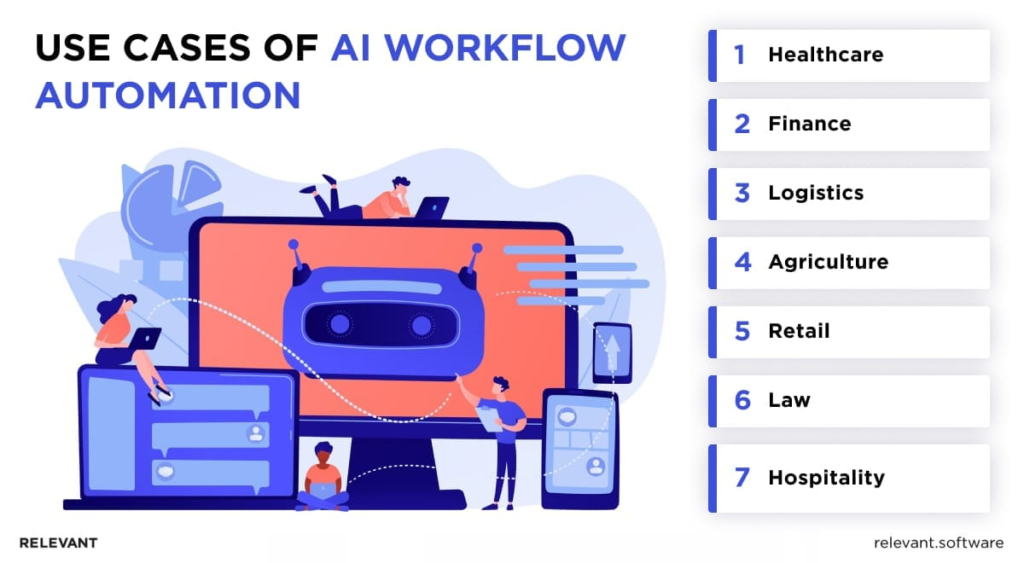
Following simple AI habits for ninety days builds a clear thinking system and practical skills. Your workflow becomes smoother, confidence grows, and repetitive tasks shrink dramatically. Momentum turns small habits into measurable mastery.
Here is the promise.
If you follow the steps above for ninety days, you will double your digital capability without feeling overwhelmed.
Not because you became a technical expert, but because you built a thinking system.
The shift is subtle.
You learn how to frame problems, choose the right tools, and interpret the results with clarity.
You will also notice a surprising effect.
Your confidence grows because your workflow becomes smoother.
Source: Relevant Software
Tasks that once felt heavy turn effortless.
Ideas flow faster. Decisions feel sharper. And everyday challenges that once consumed hours now shrink to minutes.
This does not require special skills.
It requires attention, curiosity, and simple habits. That is the real power.
The moment you adopt these practices, you create momentum. With momentum comes mastery.
That is the promise you can measure.
From Driving the Tool to Directing the Driver
The 2026 AI reset will change how people work, plan, create, and communicate. Tools will act more like partners than platforms.
Agents will think ahead, predict needs, and perform full workflows without constant prompting.
That shift means users must learn to supervise, not just instruct.
Think of it like moving from driving a car to directing a driver.
Same goal. Different role.
We will also see rapid growth in personal assistants that learn your style. They will manage tasks, correct errors, and generate insights.
This is great news for non-techies and AI tools because the barrier to entry drops lower every year.
Here is what to expect.
Context aware interfaces, voice first systems, real time reasoning, and multi step automation that works quietly in the background.
The people who adapt early will gain freedom, time, and opportunity.
Those who resist will struggle to keep pace. Which group do you want to join?
FAQs
What is the easiest way to start AI adoption for beginners?
Begin with one simple tool that solves a daily problem, such as writing or scheduling. Small, consistent use builds confidence and reduces overwhelm quickly.
Which AI productivity tools are most helpful for everyday users?
Tools that handle summarising, planning, automating emails, or generating ideas offer the fastest wins. Choose platforms designed for simplicity rather than technical depth.
How does the digital skills transformation affect non-tech users?
The shift rewards clarity, communication, and workflow thinking more than coding. Non-tech users can stay ahead by learning how to direct tools instead of building them.
What are examples of AI powered workflows I can use?
You can automate meeting notes, research summaries, content outlines, or basic data sorting. These workflows save hours each week with minimal setup.
Is work automation going to replace my job in the future of work automation trend?
Not if you learn how to supervise and guide the tools. Automation replaces repetitive tasks, not adaptive thinking or decision making.
Which user friendly AI platforms should non-techies explore first?
Try tools with conversational interfaces that feel like assistants rather than editors. Platforms that explain steps clearly help reduce the learning curve.
How do I manage the AI learning curve for non professionals?
Focus on one habit at a time and track small wins weekly. Progress compounds quickly when you stay consistent instead of trying everything at once.
Related Posts
You’re Losing Customers Without AI Personalization—Non-Techies, Act Now!
Become an AI Power User in 2025: An Easy Path for Non-Techies
AI in Daily Life for Non-Techies: The Hidden Power You’re Missing
How Long Does It Take to Learn AI for a Non-Tech Person?
Conclusion
In the end, non-techies and AI tools form a powerful combination when paired with curiosity and consistent practice.
The coming 2026 reset will reward those who choose to learn, test, adapt, and grow. You do not need complex skills.
You need clear intention, simple systems, and steady momentum.
The future will belong to the everyday learner who chooses progress over hesitation. One small habit at a time.