
11 Simple Ways to Use AI (Even If You Hate Technology)
You have probably heard a lot about artificial intelligence and the many ways to use AI. It sounds powerful. It sounds complicated. And for many people, it feels distant.
But here is the truth. AI is already part of your daily life. You just may not be using it consciously.
So the real question is not whether AI matters. It is this. How do you actually start using it without feeling overwhelmed?
This article answers that clearly. You will discover practical, simple, and realistic approaches that do not require technical skills.
No coding. No jargon. Just usable ideas.
Let’s begin where most people get stuck.
Why Most People Miss the Real Ways to Use AI
The gap between hype and reality
There is a lot of noise and a flood of myths around AI. Headlines talk about automation, job loss, and complex tools. That creates distance.
Most people assume AI is only for developers or tech professionals. That assumption is incorrect.

Source: BitRebels
In reality, many applications are already designed for non-tech users.
The tools are simple. The interfaces are conversational. You type what you need. You get a response.
Yet the perception remains complicated. That is the gap.
Overwhelm stops action
Too many options create confusion. When people search “how to use AI,” they often find long lists of tools. That leads to hesitation.
So they stop.
Clarity is missing.
And without clarity, even simple solutions feel difficult.
A Beginner’s Mindset, How to Use AI Without Feeling Intimidated
Start with intention, not tools
Before opening any AI tool, pause for a moment and ask yourself a simple, practical question.
What do you actually need help with right now?
This small shift keeps your approach focused and grounded in real outcomes.
Whether it is writing emails, planning your day, or learning faster, your need should always guide the tool you choose.
Many beginners make the mistake of exploring platforms like ChatGPT or Google Gemini without clear intent, which often leads to confusion instead of clarity.
When you start with purpose, even the most basic AI applications begin to feel useful and relevant. This is how most people successfully learn how to use AI in daily life.
It is not about mastering technology. It is about solving one small problem at a time.
Clarity first. Tools later.
This mindset quietly builds confidence and turns AI into something practical rather than overwhelming.
You do not need technical knowledge
Modern AI tools are designed to work with natural, everyday language rather than complex technical commands or coding inputs.
You simply type your request as you would explain it to another person, and the system responds with structured, useful output.
There is no need to understand programming concepts or machine learning models to get started.
Platforms like ChatGPT and Microsoft Copilot are built specifically for accessibility, making AI for beginners more practical than ever before.
This shift has opened the door for non-technical users to explore AI productivity tools without hesitation or fear.
According to recent adoption trends, a significant portion of new users come from non-technical backgrounds.
That is a major shift.
Barriers are disappearing.
As a result, more people are discovering simple ways to use AI for everyday tasks without needing any specialized skills.
Simple Ways to Use AI
| Situation You Face | Simple Way to Use AI | Real Benefit You Get |
|---|---|---|
| Feeling overwhelmed by too much information | Ask AI to summarize articles or videos | Clear understanding in minutes, not hours |
| Struggling to write emails or messages | Use AI to draft and refine communication | Faster replies with better clarity |
| Not sure where to start with AI | Ask AI simple, intention-based questions | Removes confusion and builds confidence |
| Difficulty planning your day | Use AI to create structured to-do lists | Better focus and smarter prioritization |
| Finding learning new topics hard | Ask AI to explain concepts in simple terms | Easier learning without technical stress |
| Stuck or lacking ideas | Use AI for brainstorming and problem-solving | Fresh ideas and expanded thinking instantly |
Writing, Replies, and Communication Made Effortless
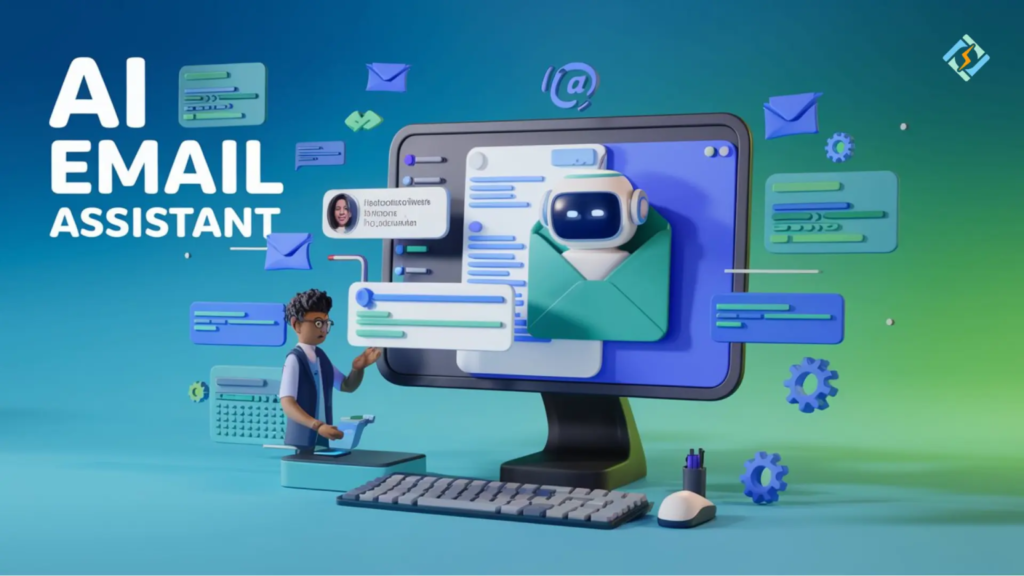
Faster emails and messages
Source: Cyberpanel
Think about how much time you spend replying to messages. Emails. WhatsApp. Client responses.
Now imagine drafting those replies in seconds.
AI can generate structured, polite, and context-aware responses. You can refine them quickly.
One of the simplest ways to use AI is improving everyday communication.
Clarity in expression
Sometimes you know what you want to say. But not how to say it.
AI helps you rephrase thoughts clearly. It improves tone. It removes ambiguity.
This is especially useful in professional communication.
Clear words. Better outcomes.
Turning Information Overload Into Clarity in Seconds
Summarizing long content
You read articles, reports, and long documents almost every day, often with limited time and attention.
The volume of information keeps growing, yet your available time remains the same.
This is exactly where modern AI tools like AI agents begin to show their real, practical value.
Platforms like ChatGPT and Claude can process large blocks of text and convert them into clear, concise summaries within seconds.
Instead of reading everything line by line, you can quickly understand the core message and main insights.
This makes it easier to stay informed without feeling mentally overloaded or distracted.
You also retain more clarity because the output is structured and easier to absorb.
Less reading. More understanding.
For professionals, students, and even casual readers, this becomes one of the most efficient ways to handle daily information flow.
It quietly transforms how you consume knowledge, making learning faster and more manageable.
Extracting key points
Sometimes, you are not looking for a summary but for specific, important details hidden inside long content.
Scanning manually takes time and often leads to missed insights or unnecessary effort.
With AI, you can simply ask direct questions and receive focused, structured answers instantly.
Tools like Perplexity AI and Google Gemini are especially effective at identifying key takeaways from complex information.
You can ask, “What are the main points?” or “What should I focus on?” and get clear responses.
The answers are usually organized in a logical format, making them easier to review and apply.
Direct answers. Immediate clarity.
Among the most practical ways to use AI, this approach consistently saves time and reduces mental effort across daily tasks.
Planning Your Day With Simple AI Tools for Daily Tasks
Creating structured to-do lists
Planning often feels messy. Tasks are scattered. Priorities shift.
AI can organize your day into clear, manageable steps.
You simply describe your schedule. The tool structures it logically.
This is where simple AI tools for daily tasks fit naturally into everyday routines.
Smarter prioritization
Not all tasks are equal. Some matter more.
AI helps you identify what needs attention first. It suggests order. It improves focus.
Less confusion. More direction.
Learning Faster With Beginner-Friendly AI Tools
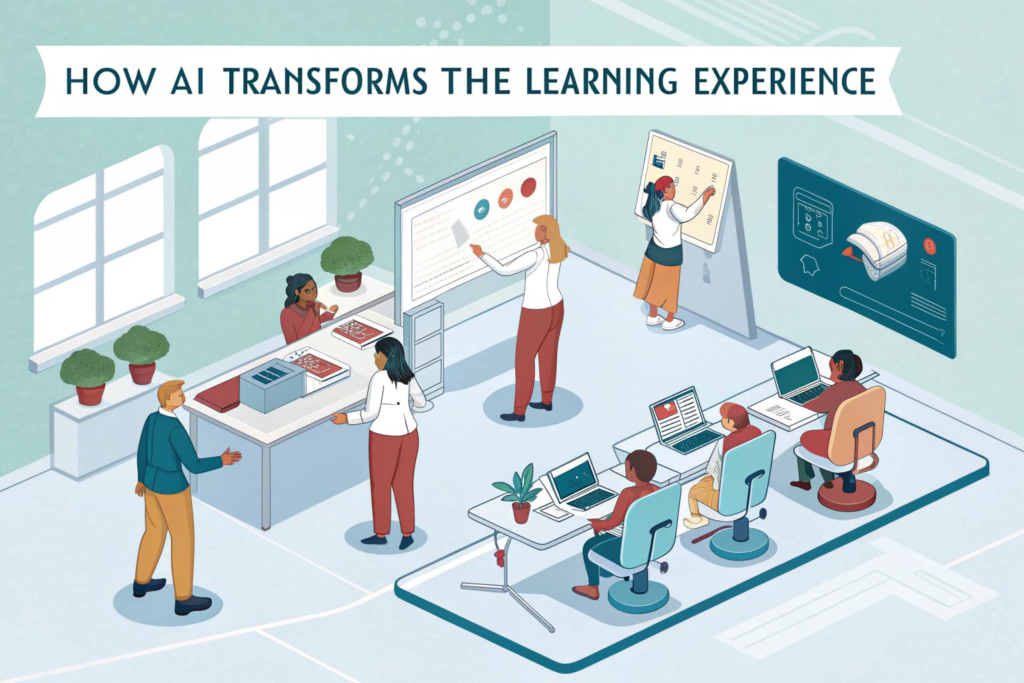
Breaking down complex topics
Source: ACHNEWS
Learning something new can feel intimidating. Especially if the subject is technical.
AI simplifies explanations. It adapts to your level.
This is why beginner-friendly AI tools are becoming useful learning companions.
Here is where things get practical. You do not need to understand everything at once. Ask one small question. Then another. AI responds without judgment.
That matters more than you think.
It removes hesitation. It encourages curiosity. You can explore difficult topics slowly.
Bit by bit. Concepts become clearer.
Confusion reduces. Over time, your confidence builds naturally. No pressure. No rush. Just steady progress. That is how real learning happens today. Simple, guided, and repeatable.
Personalized explanations
You can ask follow-up questions. You can request simpler versions.
The interaction becomes dynamic.
For anyone exploring how to use AI, this becomes an accessible starting point.
Think of it like a conversation, not a classroom. You control the pace. You decide the depth. Want a basic idea? Ask for it.
Need more detail? Go deeper.
Still confused? Ask again differently.
AI adjusts every time. That flexibility is powerful and personalized by AI. It respects your learning style and fits your attention span. Over time, you learn faster.
Not because content is easier, but because it is tailored. That changes everything.
Learning stops feeling heavy. It starts feeling personal. And surprisingly engaging.
Creativity, Ideas, and Problem Solving on Demand
Generating ideas quickly
Whether you are working on content or business ideas, getting started is often the hardest part.
AI reduces that friction.
You ask for ideas. You receive structured suggestions.
This reflects some of the more practical ways to use AI in creative thinking.
Expanding your thinking
AI does not replace creativity. It supports it.
It gives you perspectives you may not have considered.
Fresh input matters.
Everyday Decisions Made Easier With AI for Everyday Life
Small decisions, less stress
Daily decisions may seem small, yet they quietly consume your mental energy throughout the day.
What to eat. How to structure your routine. When to focus and when to pause.
Individually, these choices feel simple. Collectively, they create fatigue and reduce clarity over time.
This is where AI begins to offer subtle but meaningful support in everyday situations.
Tools like Google Gemini and ChatGPT can suggest meal ideas, plan your day, or structure your schedule logically.
You describe your situation in plain language, and the system responds with practical, usable suggestions.
Less thinking. More clarity.
This does not remove your decision-making ability. It reduces the friction involved in making those decisions consistently.
Over time, you begin to rely less on scattered thinking and more on structured guidance.
That is where AI for everyday life becomes genuinely useful and quietly transformative.
Habit support and routines
Building routines often sounds simple, yet maintaining them consistently is where most people struggle.
Motivation fluctuates. Priorities shift. Structure begins to fade without consistent reinforcement.
AI can act as a steady support system, helping you design routines that fit your actual lifestyle.
Platforms like Notion AI and Microsoft Copilot can help create structured morning schedules, focused work blocks, and even simple fitness plans.
You can adjust these routines based on your progress, energy levels, or changing priorities.
Structure creates stability.
These tools do not force discipline. They support it by making routines easier to follow and adapt.
Over time, this becomes one of the more sustainable ways to use AI for improving consistency in daily life.
Small adjustments. Real impact.
Getting Work Done Faster With AI Tools for Non-Techies
Reducing repetitive work
Many tasks are repetitive. Formatting. Drafting. Organizing.
AI handles these efficiently.
This is why AI tools for non-techies are gaining traction in workplaces.
Improving efficiency
You complete tasks faster.
You free up time for higher-value work.
That is real leverage.
Advanced Yet Easy Ways to Use AI Without Coding
Moving beyond basics
Once you are comfortable, you can explore more advanced applications.
Automation. Workflow support. Content systems.
All without writing code.
This highlights how you can use AI without coding as you grow more confident.
Expanding capabilities
You start connecting tools. You refine outputs.
Your efficiency improves gradually.
These are still easy ways to use AI, just at a higher level.
Getting Started Today, Simple Steps That Actually Work
Start small
You do not need to understand every feature or explore every platform before you begin using AI effectively.
Start with one clear use case that solves an immediate, practical need in your daily routine.
It could be writing an email, summarizing a document, or planning your day more efficiently.
Tools like ChatGPT or Google Gemini make this process simple and accessible for beginners.
Instead of overthinking, focus on one small interaction and observe how the system responds to your input.
This is also where AEO, answer engine optimization, becomes relevant, since clear prompts generate better, more accurate responses.
Small steps matter.
By starting small, you reduce friction and create a smoother entry into understanding how to use AI in real situations.
This approach builds clarity and prevents the overwhelm that stops most people before they even begin.
Build consistency
Once you have taken the first step, the next goal is to make AI part of your regular routine.
You do not need large, complex tasks to benefit from it on a daily basis.
Even small interactions, such as drafting quick responses or organizing thoughts, can build familiarity over time.
Platforms like Microsoft Copilot and Notion AI support consistent use across different tasks and workflows.
As you continue, your prompts improve, and the quality of output becomes more aligned with your expectations.
This is how both SEO and AEO principles work in practice, clarity in input leads to clarity in output.
Consistency builds confidence.
Over time, your efficiency increases naturally, and AI becomes a reliable assistant rather than a complex tool.
Why starting small actually works
Many people fail to adopt AI because they try to understand everything at once, which creates unnecessary mental resistance.
When the learning curve feels steep, hesitation replaces curiosity, and progress slows down significantly.
Starting small removes that pressure and allows you to experience quick, meaningful results early on.
This early success builds trust in the tool and encourages further exploration without forcing complexity.
From an AEO perspective, focused and simple queries also produce more accurate and relevant answers.
Tools like Perplexity AI are designed to reward clear, intent-driven questions with precise responses.
Clarity drives momentum.
Over time, these small interactions compound into deeper understanding, making AI feel intuitive rather than overwhelming.
Related Posts
AI Productivity Tools Shaping Work, Code, Learning, and Decisions
2026 AI Blogging Opportunity Most Beginners Ignore
AI Ethics Glossary 101: The Hidden Risks Lurking Inside Your AI
AI Social Media Tools Secretly Changing Social Media Work
Conclusion
AI is not a distant concept anymore. It is a practical tool. Accessible. Usable. Relevant.
The key is not mastery. It is consistency.
You do not need technical expertise; you need clarity. You need intention.
The ways to use AI are already around you. Writing, planning, learning, decision-making. These are everyday activities. AI simply enhances them.
So start simple. Stay consistent.
And most importantly, make it useful to your life.