

Protect Your Blog from AI Sites Before They Outrank Your Content
Protecting your blog from AI sites before they outrank your content is a serious concern for bloggers today.
AI publishing tools can now generate hundreds of articles in hours, flooding search engines with quick answers and recycled summaries.
Fast. Scalable. Hard to ignore.
But here is the deeper question.
Can machine written content truly replace real experience and thoughtful insight? Not really.
As Neil Patel once noted, “Great content is built on experience, expertise, and trust. Algorithms eventually reward what truly helps readers.”
That insight matters now more than ever.
If you focus on depth, real examples, and user intent, your blog can stay competitive even in an AI saturated search landscape.
1. The Rise of AI Content Farms
The internet publishing landscape is shifting quickly. You may have noticed it already.
Today, AI writing tools can generate thousands of articles in a single day.
What once required a team of writers now happens through automated workflows.
A script identifies keywords, the AI produces drafts, and the system publishes them almost instantly.
Fast. Continuous. Scalable.
How AI Publishing Changed the Game
Just a few years ago, publishing five articles a week felt productive for most blogs. Now some AI-driven sites publish hundreds in the same time frame.
Why the sudden explosion?
Automation makes large-scale publishing incredibly easy.
Software scans search trends, generates articles, formats them, and schedules publication automatically. Human oversight is minimal.
The system simply keeps producing content.
Most of this content targets low-intent searches.
These are simple questions people type into Google while looking for quick answers. Topics that require basic explanations rather than deep expertise.
That is where AI performs best.
The Result: A Flood of Thin Content
The outcome is obvious once you look closely at search results.
There is more content than ever before, but much of it feels shallow. Articles repeat information already available online.
They summarize existing sources without adding genuine insight.
Something feels missing.
This is where human bloggers still have an advantage.
Real experience, practical knowledge, and context are difficult for automated systems to replicate.
So, if you want to protect your blog from AI sites, the solution is not publishing faster.
It is publishing smarter.
2. Why AI Aggregator Sites Often Rank Quickly
If you look at search results today, something interesting appears.
Many pages ranking near the top come from AI content aggregator sites.
How do they get there so quickly?
The answer lies in scale, automation, and a clever use of SEO systems.
High Publishing Speed
Speed is the first advantage.
Traditional bloggers research topics, write drafts, edit carefully, then publish. The process takes time. Sometimes hours for a single article.
AI generated content farms operate very differently.
Their systems produce hundreds of posts in a single day. Sometimes more. A script pulls keyword ideas, generates articles, and uploads them automatically.
The web suddenly fills with pages covering every small variation of a query.
Volume becomes the strategy.
Search engines often discover these pages quickly. Some rank almost immediately, especially when the competition is weak.
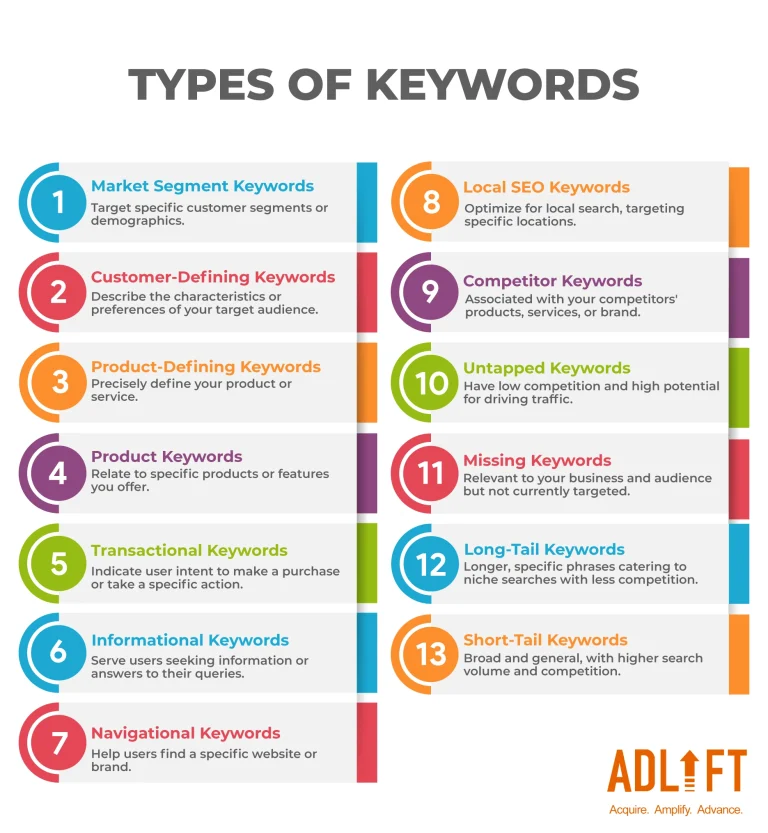
Massive Keyword Coverage
Source: Ad Lift
Now consider keyword coverage.
Many programmatic SEO websites target thousands of search phrases simultaneously.
Instead of writing one article about a topic, the system creates hundreds of variations around it.
For example, a simple question might produce dozens of slightly different posts. Each targets a small search query. Individually, these pages attract modest traffic.
Together, they can generate significant visibility.
This approach works particularly well for low-intent searches.
Short questions. Quick answers.
Search engines sometimes reward this coverage because it fills informational gaps.
Automated Internal Linking
Another reason these sites rank quickly is internal linking.
Automation tools connect hundreds of articles across the same domain.
Each page links to several related pages. Over time, this network strengthens topical signals.
Search engines interpret this structure as a form of topical authority blogging.
The site appears comprehensive.
Disadvantages of AI Aggregator Sites
| Practice Used by AI Aggregator Sites | Disadvantages | Possible Google / SEO Impact |
|---|---|---|
| Heavy automation for publishing | Content quality often becomes shallow and repetitive if human review is missing | Pages may be classified as thin content and gradually lose rankings |
| Mass production of AI written articles | Lack of originality, insight, or real experience reduces user value | Search engines may reduce visibility under helpful content and quality signals |
| Programmatic SEO without real data or value | Thousands of similar pages dilute site credibility and authority | Algorithm updates may deindex low value pages or suppress them in rankings |
| Keyword coverage through duplicated variations | Many pages compete with each other, creating keyword cannibalization | Internal competition weakens rankings and reduces overall topical authority |
Why the Strategy Works, For Now
These tactics explain why automated sites can capture traffic quickly. However, the advantage is often temporary.
Search engines are increasingly emphasizing Google experience signals of SEO.
That means genuine expertise and contextual understanding matter more over time.
Which brings us to an important point. If you want to protect your blog from AI sites, competing on volume alone rarely works.
Depth matters more.
Real insights. Practical context. A thoughtful content depth SEO strategy.
And that remains the human written content advantage.
3. The Hidden Weakness of AI Aggregators

At first glance, AI content aggregator sites appear powerful.
They publish quickly.
They cover thousands of keywords. Search visibility often arrives faster than many bloggers expect.
Yet beneath that scale lies a clear limitation.
Lack of Real Experience
Automation can assemble information. It cannot live the experience behind it.
When you read articles produced by AI generated content farms, something subtle becomes noticeable. The information is technically correct. The structure looks professional.
Yet the article rarely reflects genuine involvement with the subject.
Why does that matter?
Because experience shapes understanding. A writer who has actually tested a tool or worked through a problem explains things differently.
They notice small details.
They share practical observations that never appear in generic summaries.
That layer of lived context is difficult for automation to reproduce.
No Original Insight
Another weakness is the absence of fresh perspective.
Most programmatic SEO websites build articles by reorganizing information already published elsewhere.
The system scans public content, then generates a new version using similar ideas.
The result often sounds familiar. Very familiar.
Readers encounter the same explanations repeated across multiple websites.
Sometimes the wording changes. The substance rarely does.
Over time this creates a web full of recycled knowledge.
Recycled Information and Thin Authority
Search engines are becoming increasingly aware of this pattern. According to several SEO studies, pages that demonstrate authentic expertise tend to hold rankings longer.
That shift connects directly to Google experience signals SEO.
Search algorithms now look for signs that the author actually understands the topic being discussed.
Context matters. Real usage matters.
Without those signals, many automated pages struggle to build lasting credibility.
Why Authentic Depth Still Wins
This is where the human written content advantage becomes clear. When you explain something from real practice, your writing naturally develops trust and depth.
Examples appear organically. Observations emerge from experience.
That is also the foundation of strong topical authority blogging.
If your strategy focuses on thoughtful explanations and a genuine content depth SEO strategy, you build something automation cannot easily copy.
And that approach quietly helps you protect your blog from AI sites.
Authenticity scales slowly. But it lasts.
4. Google’s Shift Toward Experience Signals
Search engines are evolving. Quietly, but very clearly.
A few years ago, ranking often depended on keywords and backlinks alone.
Today the equation looks different. Search systems increasingly evaluate who is speaking and whether that voice reflects real understanding.
Why this shift?
Because the internet now contains enormous volumes of automated content.
AI content aggregator sites and AI generated content farms publish information at massive scale. As a result, search engines must identify which pages genuinely help readers.
This is where AI search optimization comes into focus.
Experience now matters.
Why Expertise and Experience Matter More
Google’s evolving framework often revolves around what SEO professionals call E-E-A-T. That refers to experience, expertise, authority, and trustworthiness.
You see this change in subtle ways across search results.
Articles that demonstrate first-hand experience blogging tend to perform better over time. A writer who has tested a tool or solved a real problem explains things differently.
Their language contains practical context rather than generic summaries.
That difference matters to readers. It also matters to algorithms.
This is why expertise driven blog content is becoming a long-term advantage.
Authority and Trust Signals in Content
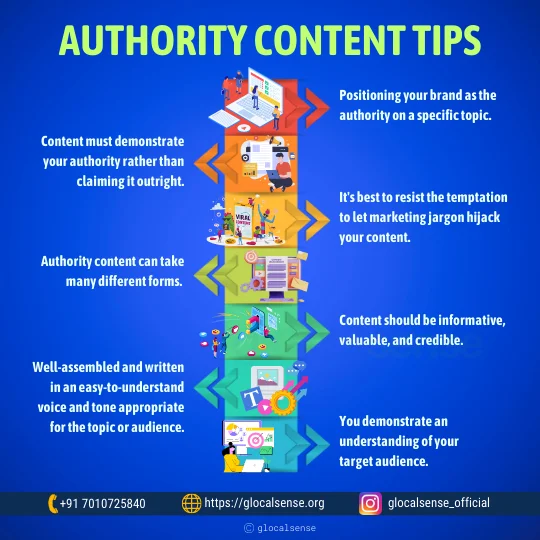
Authority rarely appears overnight. It develops through consistent publishing and clear subject focus.
Many bloggers build this through topical authority blogging.
Instead of covering random topics, they explore one subject deeply and repeatedly.
Over time the site becomes associated with that expertise.
At the same time, search engines increasingly look for content authenticity signals for Google.
These signals often appear through examples, personal insights, or references to real usage.
Authentic knowledge leaves fingerprints.
It shows up in explanations that feel specific rather than recycled.
Why Authentic Perspective Wins
Automation can summarize information.
It cannot easily produce unique insights blog writing or human storytelling in blog content.
Those elements come from observation and experience.
That is the foundation of a strong authority building content strategy.
When your articles include genuine perspective and a thoughtful content depth SEO strategy, you naturally build credibility.
Readers notice it first. Search engines eventually follow.
And that is one of the most reliable ways to protect your blog from AI sites in an increasingly automated web.
5. Build Topic Clusters Instead of Isolated Posts
Many bloggers still publish articles one by one without a larger structure. Each post stands alone. Each topic lives in isolation.
That approach worked years ago. Today it is less effective.
Search engines increasingly reward topical authority blogging.
In simple terms, they want to see depth around a subject. Not just one article. A connected body of knowledge.
The Pillar and Supporting Articles Model
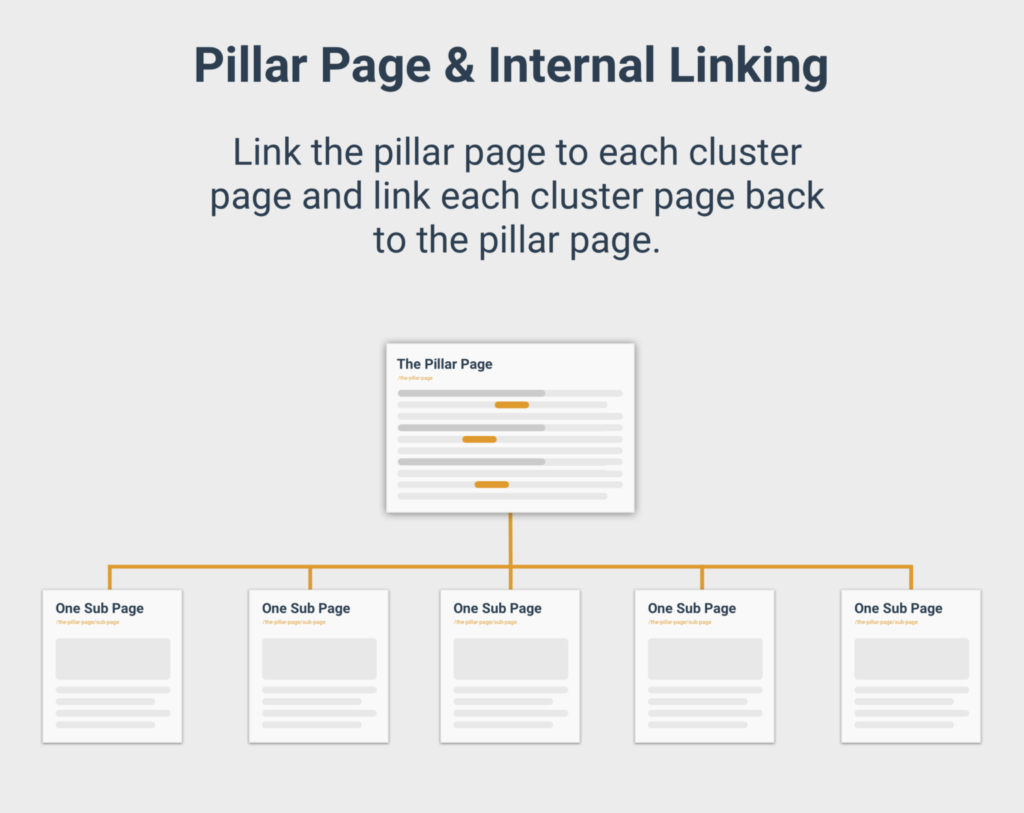
A topic cluster begins with a pillar article.
This is the main guide covering the broader subject. It explains the topic clearly and introduces important ideas.
Around this pillar, you publish several supporting articles.
Each explores a specific angle or question related to the main topic. These pieces expand the discussion and add practical detail.
Think of it as a knowledge hub.
One central guide. Multiple focused expansions.
This structure naturally encourages content depth SEO strategy because the subject is explored from different directions.
Why Clusters Strengthen Authority
Internal linking plays an important role here. Every supporting article links back to the pillar guide. The pillar also links outward to those detailed posts.
Search engines interpret this structure as organized expertise. It signals that your site understands the topic thoroughly.
That matters more today because AI generated content farms often publish scattered articles without real context.
When you build clusters supported by first-hand experience blogging and an authentic voice in blogging, the site gradually builds trust.
Over time, this becomes part of a larger authority building content strategy.
And that deeper structure quietly helps protect your blog from AI sites competing with automated scale.
6. Write Content That Requires Real Experience
Many articles on the internet sound correct yet strangely empty. The information exists, but the perspective feels missing.
Why does this happen?
Because much of today’s content comes from AI generated content farms or large programmatic SEO websites. These systems summarize existing information.
They rarely add lived understanding.
That is where your advantage begins.
Add First Hand Perspective
When you write from experience, the tone naturally changes. You include observations that come from actually using a tool or solving a problem.
Readers notice this difference quickly.
Through first-hand experience blogging, your articles begin to reflect practical reality. Small insights appear. Unexpected lessons emerge.
That lived perspective builds credibility.
It also supports a stronger EEAT content strategy for bloggers, which search engines increasingly value.
Turn Experience Into Practical Knowledge
Experience becomes powerful when you translate it into clear examples.
You might describe a real result you achieved. You may explain a mistake that taught you something useful.
This approach creates unique insights blog writing rather than recycled summaries.
Over time, such writing strengthens your authority building content strategy and reinforces the human written content advantage.
Search engines are beginning to recognize these patterns through content authenticity signals for Google.
And that authenticity is difficult for automation to replicate.
Which is why experience-driven content remains one of the most effective ways to protect your blog from AI sites competing on scale alone.
7. Use Real Examples and Applied Knowledge
Many articles explain ideas clearly.
Yet some feel distant from reality.
The information sounds correct, but readers still wonder one thing.
Has the writer actually done this?
That question matters more than you might think.
Search engines are filled with content produced by AI content aggregator sites and large programmatic SEO websites. These systems summarize public information effectively.
However, they rarely show practical application.
This is where real examples change everything.
Why Practical Evidence Matters
When you share a real use case, the article immediately feels different. You might describe how you tested a strategy on your own blog.
You might show a workflow that solved a specific problem.
Readers notice this shift quickly.
Through first-hand experience blogging, your explanation begins to carry context.
The reader sees what worked and what did not. Small details appear that generic summaries usually miss.
That kind of explanation creates unique insights blog writing.
Sometimes the evidence comes from simple experiments.
You might test two headline styles or measure traffic changes after restructuring internal links.
Even modest experiments can become valuable original research SEO content.
Evidence builds confidence.
Showing the Process Builds Trust
Another useful approach is showing the process itself. Screenshots help.
A simple workflow description also helps.
For example, you may show how you organize a topic cluster or how you track ranking changes.
Readers follow the steps and understand the reasoning behind them.
This approach naturally supports an EEAT content strategy for bloggers because the article demonstrates expertise rather than merely claiming it.
Over time these examples also strengthen topical authority blogging.
More importantly, they reflect authentic voice in blogging and real expertise driven blog content.
That authenticity becomes one of the most reliable content authenticity signals for Google.
And in a web dominated by automation, that human written content advantage quietly helps protect your blog from AI sites competing through sheer scale.
8. Answer Reader Intent Completely
Many bloggers focus on publishing more articles. The assumption is simple. More pages mean more traffic.
But search engines increasingly reward depth instead of volume.
One thoughtful article can often outperform several shallow ones.
Why does that happen?
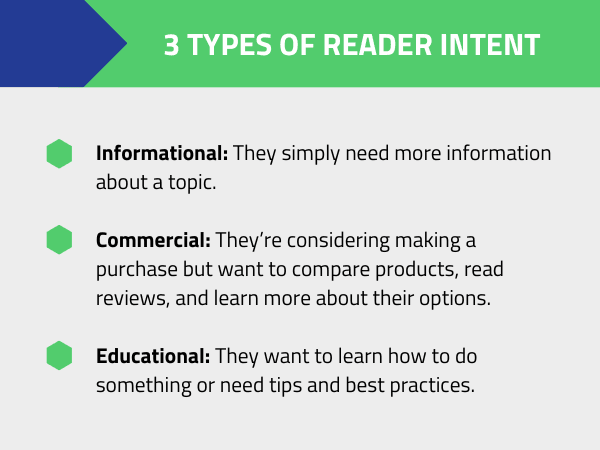
Because strong content begins by understanding reader intent. When someone searches for an answer, they are not just looking for a definition.
They want clarity. They want direction.
You need to anticipate the questions forming in their mind.
Anticipate Questions and Provide Clear Guidance
Think about how a reader moves through an article. They start with curiosity.
As they read, new questions appear naturally.
What does this mean for me?
How do I apply it?
When you address these questions directly, your content becomes more useful. Practical steps help readers translate ideas into action.
Frameworks also help because they organize complex ideas into understandable patterns.
This approach strengthens topical authority blogging and supports a deeper content depth SEO strategy.
Depth keeps readers engaged.
Many AI content aggregator sites and programmatic SEO websites struggle with this level of explanation. Their articles summarize information but rarely guide the reader through real application.
That is where the human written content advantage appears.
When your article includes examples from first-hand experience blogging, the explanation feels grounded.
Over time, such depth becomes a powerful EEAT content strategy for bloggers.
It strengthens expertise driven blog content and sends clear content authenticity signals for Google.
And that deeper clarity is one of the most reliable ways to protect your blog from AI sites competing through sheer volume.
9. Strengthen Internal Linking for Authority
Internal linking is one of the simplest ways to strengthen your blog’s structure. Yet many bloggers underestimate its impact.
Think of your blog as a network of ideas rather than separate posts. Each article should connect naturally with related topics across your site.
Why does this matter?
Because search engines rely on these connections to understand your content.
When your pages link to one another logically, they create a clear map of your subject expertise.
Structure builds credibility.
How Internal Linking Supports Topic Authority
Internal links help search engines crawl your website more efficiently. When a new article appears, existing pages can guide search crawlers toward it.
This improves crawlability and strengthens topical authority blogging over time.
Readers benefit too.
When you link related guides, readers can explore the subject more deeply without leaving your site. That naturally supports a stronger content depth SEO strategy.
AI content aggregator sites and many programmatic SEO websites often ignore this thoughtful structure.
Their articles exist in isolation without meaningful context.
Simple Linking Practices That Work
You do not need complicated systems to build strong links. Start by connecting every new article to one or two related posts. Choose links that genuinely expand the discussion.
You might also create cornerstone guides supported by detailed posts based on first-hand experience blogging. This approach gradually becomes part of an authority building content strategy.
Over time, such structure sends strong content authenticity signals for Google and reinforces expertise driven blog content.
And that deeper structure quietly helps protect your blog from AI sites that rely mostly on automated scale.
FAQs
How can you protect your blog from AI sites dominating search results?
To protect your blog from AI sites, focus on depth rather than speed. Many AI generated content farms publish large volumes of shallow posts. Your advantage comes from real expertise and detailed explanations. A strong content depth SEO strategy helps you fully answer reader intent and build lasting credibility.
Why do programmatic SEO websites often outrank small blogs initially?
Programmatic SEO websites scale content quickly by targeting thousands of keywords. They publish pages at massive volume. However, many rely on automated summaries rather than insight. Over time, blogs that demonstrate expertise driven blog content and strong topical authority blogging tend to maintain more stable rankings.
What is the human written content advantage in modern SEO?
The human written content advantage lies in context and lived experience. Through first-hand experience blogging, writers can share observations that automated content cannot easily reproduce. Unique insights blog writing adds depth and clarity that improves reader trust and long term engagement.
How do Google experience signals SEO affect blog rankings?
Google increasingly evaluates experience, expertise, authority, and trustworthiness when ranking content. Articles that reflect authentic voice in blogging often perform better because they demonstrate real understanding. These signals help search engines distinguish between automated content and genuine expertise.
Why is topical authority blogging important for long-term rankings?
Topical authority blogging means covering a subject deeply across many related articles. Each piece supports the other. Over time this strengthens your site’s reputation in that niche. It becomes a powerful authority building content strategy that improves visibility and trust.
How does original research SEO content improve trust signals?
Publishing original research SEO content such as surveys, experiments, or case insights strengthens credibility. These elements act as content authenticity signals for Google. They show that the information comes from genuine analysis rather than recycled summaries.
How can human storytelling in blog content strengthen engagement?
Human storytelling in blog content adds perspective and relatability. When writers explain ideas through experiences or lessons, readers stay engaged longer. This approach also supports a strong EEAT content strategy for bloggers by demonstrating knowledge and authentic communication.
Related Posts
2026 AI Blogging Opportunity Most Beginners Ignore
Is Blogging Really Dead in 2026? A Long-Term Perspective
Human Blog Voice In The AI Age: Why Authenticity Still Wins Online
You Can’t Switch Off AI: The False Hope of Pulling the Plug
Conclusion
If you want to protect your blog from AI sites, the long-term answer is not avoiding AI. It is using it wisely.
The internet already contains vast amounts of automated content. Large AI content aggregator sites and programmatic SEO websites publish articles at remarkable speed, and that trend will likely continue.
Yet one thing remains difficult for automation to reproduce. Human perspective.
Search engines increasingly emphasize good UX signals for SEO and expertise driven content. When your writing reflects firsthand experience blogging, readers quickly notice the difference.
That is the real human written content advantage. AI can support your workflow, but genuine understanding still comes from you.